Go to my journey

I declare that I have acquired the information provided in the informative report on the privacy rules and I give my consent for the purposes indicated below:


Forgot password? New user? Sign up

Favourites

order by Az - type

Orvieto

WINE TASTING
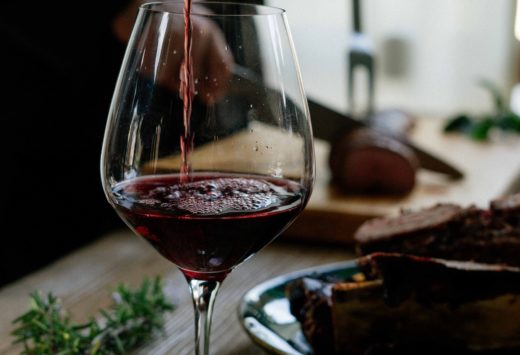
Wine tasting with lunch in Umbria

A luxurious wine tasting set in beautiful Orvieto, accompanied with a lunch based on the best typical products from Umbria.

55€ Per person
Price is lower based on umber of people
WINE TASTING
Wine tasting in Orvieto

A rich wine tasting in Orvieto accompanied by a selection of typical local products.

45€ Per person
Price is lower based on umber of people
PRIVATE GUIDED ROADBIKE TOUR
Unspoilt nature in the Amerini hills

The gentle hills of lower Umbria, starting from Amelia and wandering, almost lost, in nature

from 70€ Per person
Price is lower based on umber of people
PRIVATE GUIDED TREKKING TOUR
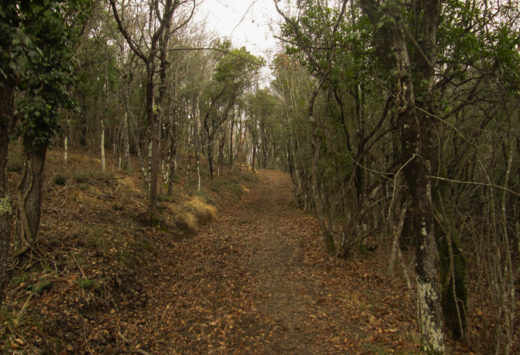
The ring of the ‘Boschi di Meana’ woods

Discover a magnificent villa and nearby villages amidst woods and ancient pathways

from 90€ Per person
Price is lower based on umber of people
PRIVATE GUIDED TREKKING TOUR
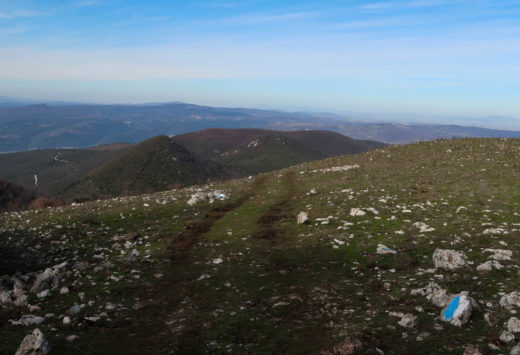
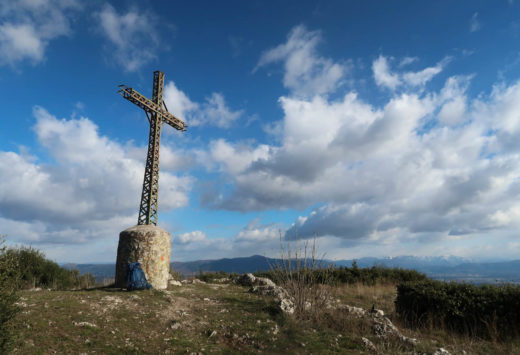
The ring of Montepiglio

A long walk with views you won’t easily forget

from 90€ Per person
Price is lower based on umber of people
ADVENTURE
Skydiving, fly on the Umbria sky

A few minutes of pulse-racing adrenalin with the skydiving in Umbria

220€ Per person
Price is lower based on umber of people
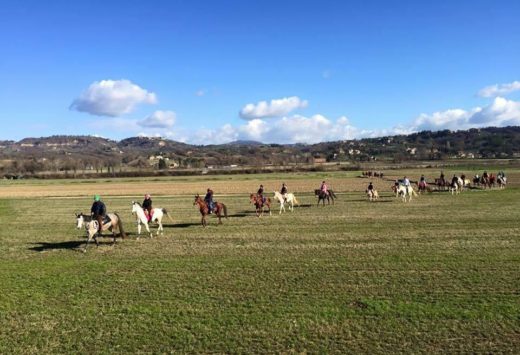
GUIDED HORSE RIDING TOUR
Passeggiata a cavallo sui colli di Monteleone d’Orvieto

Con l’escursione a cavallo in Umbria sali in sella ad un magnifico destriero e ti godi la natura e la pace sulle verdi colline.

60€ Per person
Price is lower based on umber of people
PRIVATE GUIDED ROADBIKE TOUR
Orvieto Evening Bike Tour with Final Tasting

Discover Orvieto and its history with the evening bike tour, a unique experience to explore and enjoy the city. The tour concludes with a tasting session at the foot of the Cathedral.

65€ Per person
Price is lower based on umber of people
PRIVATE GUIDED ROADBIKE TOUR
Narni, Albornoz and the Roman remains of Ocricolum

Cycling round fortresses, woods and magnificent villages

from 70€ Per person
Price is lower based on umber of people
PRIVATE GUIDED TREKKING TOUR
In the footsteps of St Francis of Assisi

Following the paths taken by St Francis, admiring timeless villages and landscapes

from 90€ Per person
Price is lower based on umber of people
PRIVATE GUIDED CITY TOUR
Guided Tour of Todi

Guided tour In the town of Jacopone da Todi, walking among marvellous architecture in pretty, characteristic alleys

from 180€ Per group
Price is lower based on umber of people
PRIVATE GUIDED CITY TOUR
Guided tour of Orvieto

Wander amongst the countless, stunning monuments and relive the town’s most extraordinary history and traditions

from 180€ Per group
Price is lower based on umber of people

Scopri Orvieto: la città narrante

Scopri una delle perle dell’Umbria, la città di Orvieto e i suoi immensi tesori.

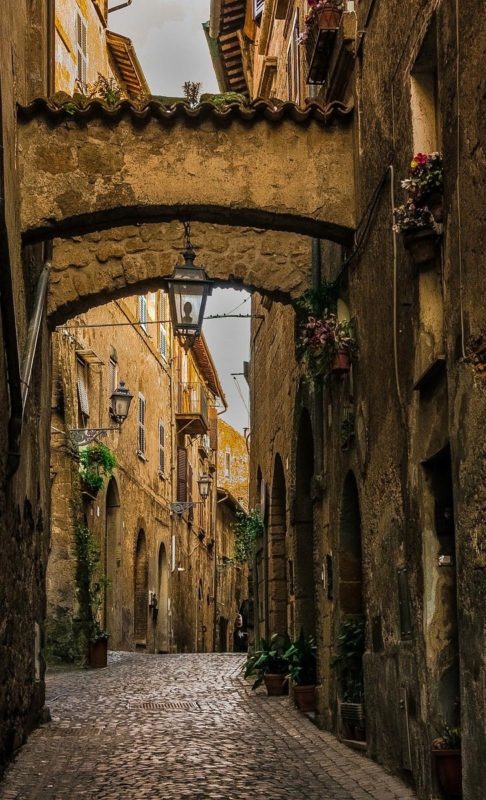
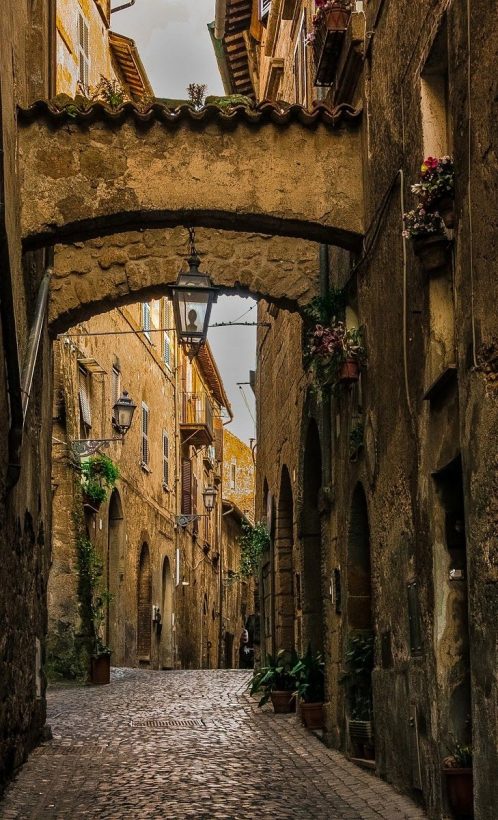
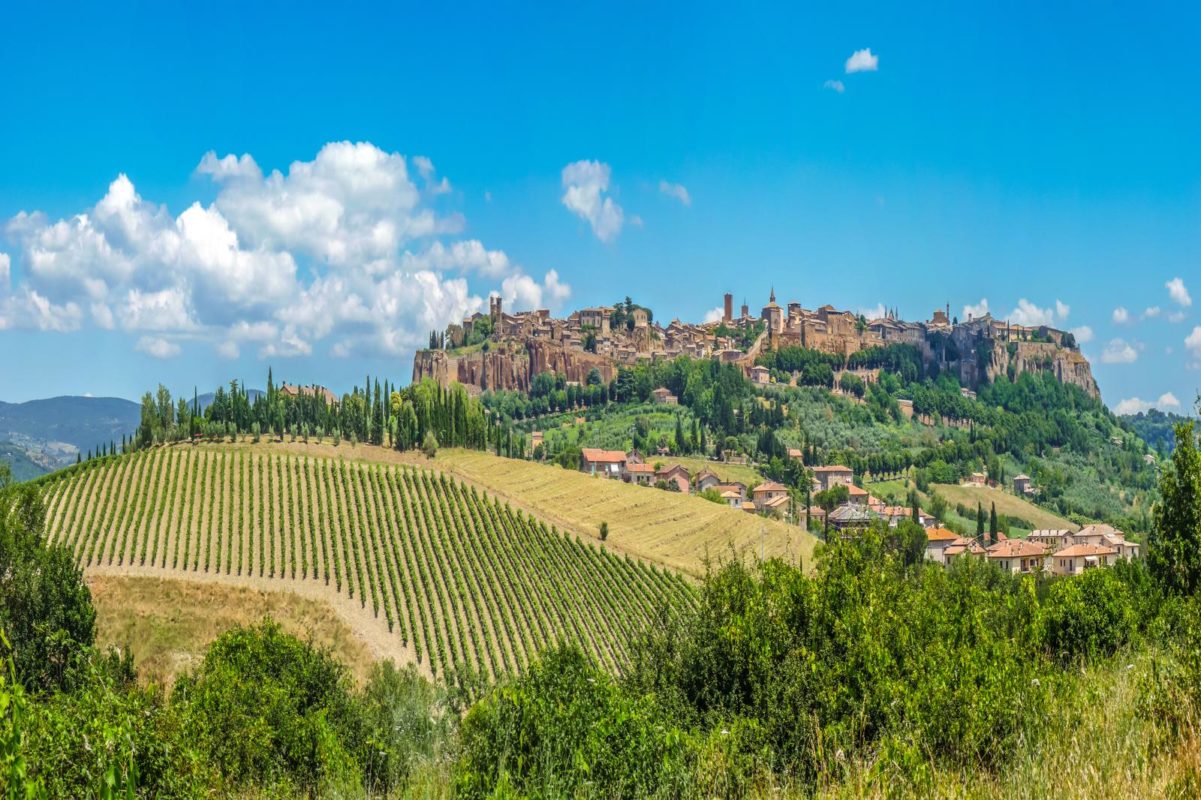
Descrivere in poche righe la ricchezza dei tesori paesaggistici, architettonici, storico-archeologici, artistici ed ingegneristici di Orvieto è un’ardua impresa. Per visitare un tale gioiello dell’Umbria non vi basterà un’intensa giornata di passeggiate, visite museali ed esplorazioni sotterranee. La città saprà stupirvi ad ogni vicolo che percorrerete. Nell’ampio territorio di una fertile valle attraversata dai fiumi Tevere e Paglia, sopra uno zoccolo di tufo vulcanico dal suggestivo colore ocra intenso sorge, come un castello fiabesco, la città orvietana. Al centro della quale il Duomo, opera architettonica unica e straordinaria, fa brillare i mosaici dorati della sua facciata alla luce del sole.

Personaggi dai nomi altisonanti quali Luca Signorelli, Ippolito Scalza e Antonio da Sangallo hanno contribuito a rendere lo spazio urbano un contenitore di immensi tesori di epoche diverse. I pontefici stessi, a partire dal Cinquecento, scelsero Orvieto come loro sede. Era per via della sua posizione strategica e fortificata. Ma ciò contribuì a trasformarla in un attivo polo culturale.

La natura complessa della città è testimoniata dalla molteplicità dei simboli che ne compongono lo stemma. Su di esso compaiono una croce rossa su campo bianco (a simboleggiare la fedeltà di Orvieto ai Guelfi, filo-papali), l’Aquila nera (simbolo della dominazione romana), il leone in campo rosso (ancora in riferimento alla fedeltà al Papa), infine l’Oca (in omaggio alle oche del Campidoglio che salvarono Roma).

Tutto questo e molto più è racchiuso all’interno dei confini della Rupe che ospita case e strade di una città vecchia di quasi tre millenni. La quale, non accontentandosi dello spazio disponibile in superficie, ha saputo creare un’altra sé nel sottosuolo. Con delle opere di architettura straordinarie che lasceranno a bocca aperta chiunque si avventuri nelle viscere della terra. Scopri l’atmosfera incantata di Orvieto, che pure ha saputo rimanere al passo con i tempi. Divenendo meta di turisti e visitatori per importanti eventi mondani di risonanza nazionale ed internazionali. Come l’Umbria Jazz Winter.

Una città in cui la tradizione antica di arti e mestieri quali la lavorazione del legno, della ceramica e del merletto d’Irlanda, le vestigia antiche delle civiltà passate ed infine lo splendore delle opere artistiche di Medioevo e Rinascimento, si sono perfettamente integrate in una società moderna. Ancora capace di offrire la genuinità dei propri prodotti. Come il vino orvietano e l’olio extra vergine d’oliva. Capace di trasmettere la propria devozione con la tradizionale festa del Corpus Domini. Di incantare con gli scenari naturali di un paesaggio incontaminato e arioso in cui lo sguardo si perde all’orizzonte.

Esistono meraviglie difficili da raccontare con le parole. L’unico modo di conoscerle è viverle e vederle con i propri occhi. Orvieto è una di queste!

Discover Orvieto

Scopri cosa vedere ad Orvieto.

Dall’alto della rupe tufacea che la ospita, Orvieto domina la fertile valle sottostante. Si erge fiera e maestosa al di sopra dei vigneti e della fitta vegetazione che la circonda. Oltre tre millenni di storia hanno dato forma a edifici, strade e piazze di una città che ha conosciuto diverse civiltà. Che è stata considerata una vera e propria fortezza per tanti anni dagli stessi Pontefici. Per la sua naturale conformazione e straordinaria posizione strategica. Ciò che ancora oggi si può ammirare entro le mura è una realtà urbana stratificata, che conserva intatta la sua natura di rocca difensiva.

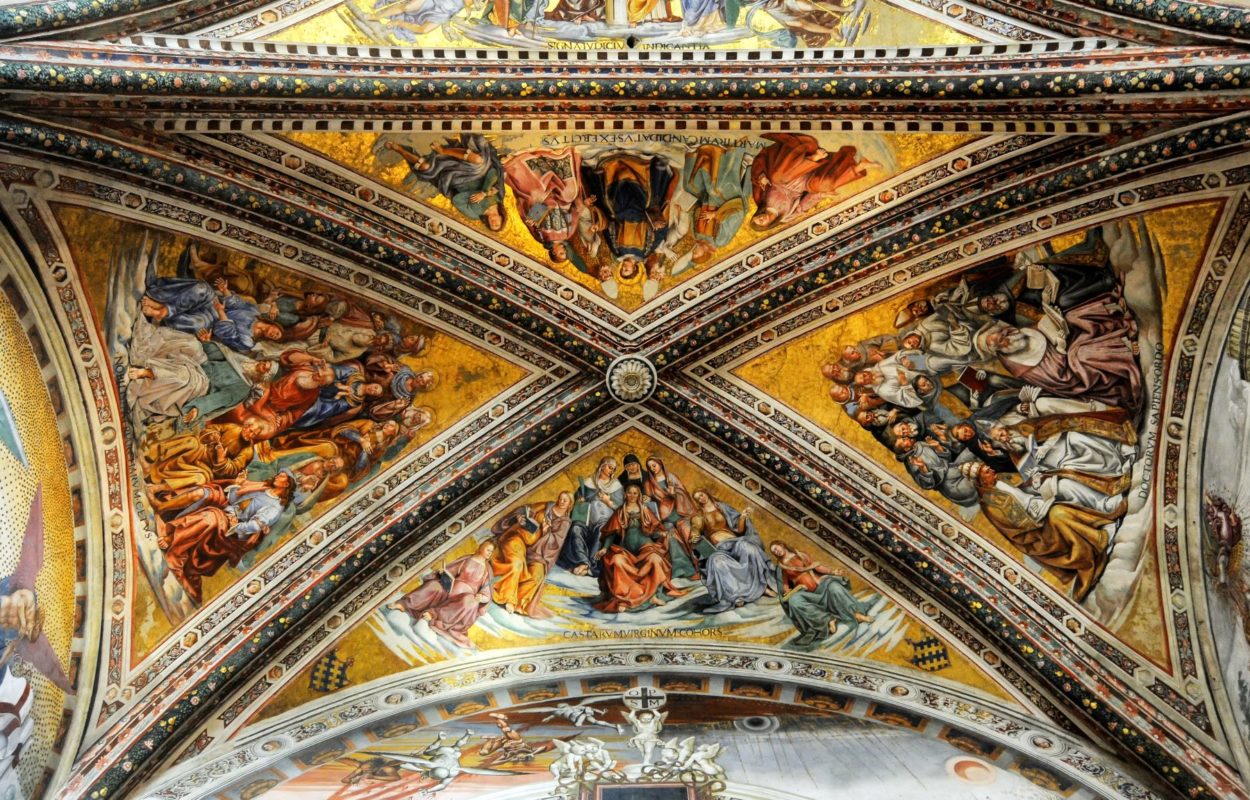
Si accede al centro storico attraversando le Porte cittadine di un tempo. Da Porta Soliana o della Rocca, Porta Maggiore o dalla ottocentesca Porta Romana. Avrete l’impressione di entrare in un mondo incantato che vi stupirà ad ogni angolo. La prima tappa sarà Piazza del Duomo. Vi lascerà a bocca aperta di fronte alla magnificenza di un’opera architettonica come il Duomo. Dedicato a Santa Maria Assunta, gioiello di un’arte gotica medievale senza eguali, scrigno di tesori artistici quali il Giudizio Universale, dipinto da Luca Signorelli nella Cappella di S. Brizio o il prezioso reliquiario della Cappella del Corporale.

Alla straordinarietà dell’opera, dalla sua realizzazione fino alle varie fasi decorative che le hanno conferito l’aspetto attuale, è stato dedicato un intero Sistema Museale. Quello del Museo dell’Opera del Duomo Orvietano (MODO). Si articola su quattro poli differenti. Si va dai Palazzi Papali a lato della Cattedrale stessa, alla Libreria Albèri. Al Museo di Emilio Greco presso il Palazzo Soliano. Per concludere con le opere conservate nella Chiesa di S. Agostino.

Continuando questo percorso per scoprire cosa vedere ad Orvieto, percorrendo Via Maitani arriverete a Piazza Febei. Un’antica iscrizione la indica come “il punto più alto della città”. Qui potrete ammirare la Chiesa di S. Francesco dall’austero aspetto esteriore che si contrappone alle pregevoli decorazioni barocche interne. Risalendo lungo via del Duomo vi troverete nel cuore della città. All’incrocio con l’arteria principale di Corso Cavour. Qui sorgono il Palazzo dei Sette, così chiamato perché era sede dei Sette Magistrati rappresentanti delle Corporazioni di Arti e Mestieri cittadini, e la straordinaria Torre del Moro. Dalla sua sommità, a circa cinquanta metri d’altezza, potrete contemplare con lo sguardo l’intera Orvieto e la valle che essa domina. Percorrendo Corso Cavour, dovrete aguzzare la vista. Ad ogni traversa, infatti, ai vostri occhi si presenteranno gioielli architettonici di epoche diverse.

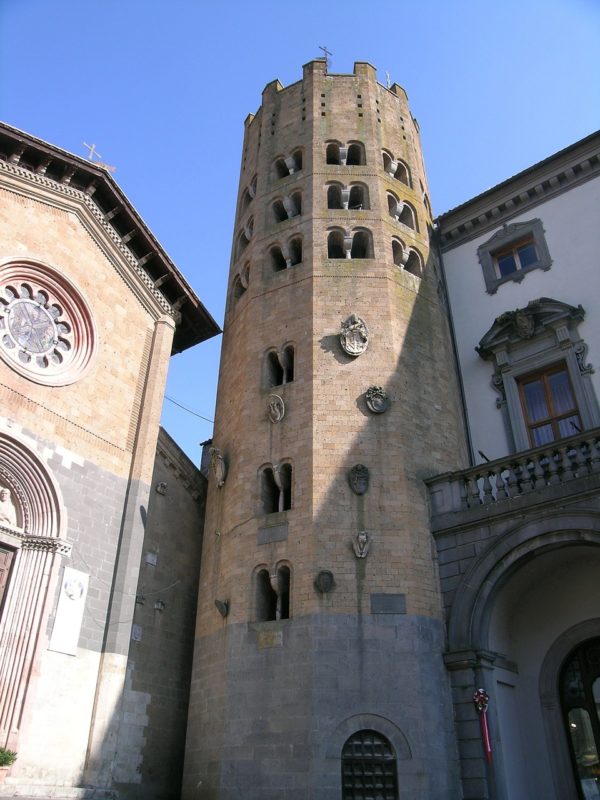
Sul lato occidentale arriverete ad un altro polo cittadino: Piazza della Repubblica. Su cui si erge il Palazzo Comunale, ancor oggi sede del Comune. Le sue eleganti forme sono opera di architetti illustri quali il Sangallo e Ippolito Scalza. Al lato dell’edificio civile, campeggiano la Chiesa di S. Andrea e la monumentale torre campanaria dodecagonale. A poca distanza troverete ancora un tesoro. Presso via della Cava, potrete infatti ammirare il Pozzo della Cava. Una delle mirabili opere di ingegneria idraulica di cui è ricca Orvieto. Per poi arrivare fino alla Chiesa di S. Giovenale, forse la più antica della città.

Spostandovi invece verso oriente, approderete al terzo e ultimo polo cittadino: Piazza del Popolo. Incorniciata architettonicamente dal bellissimo Palazzo del Popolo. L’antica sede del Capitano del Popolo in età medievale che oggi è un elegante Centro Congressi. A questo punto non vi resterà che raggiungere l’estremità della rupe. Soffermatevi ad ammirare l’ottocentesco Teatro Mancinelli. Fu realizzato per volere dei cittadini orvietani su progetto dell’architetto Vespignani. Alla fine della strada rimarrete affascinati dai giardini pubblici cittadini, inseriti all’interno delle mura dell’antica Fortezza Albornoz. Dove ancora potrete perdervi nelle suggestive atmosfere del celebre Pozzo di San Patrizio. Voluto dal papa Clemente VII nel Cinquecento. Oppure tuffarvi in un passato più antico con le vestigia archeologiche del Tempio etrusco del Belvedere. Sono mirabilmente conservate e fruibili a poca distanza da Piazza Cahen.

Insomma, organizzate bene il tempo a disposizione per scoprire cosa vedere ad Orvieto. La città è una miniera di tesori nascosti che meritano di essere scoperti ed ammirati.

The majestic Abbazia dei Santi Severo e Martirio, commonly known as La Badia, stands about 3 km from the town in a southerly direction, on the road leading to Porano, not far from Rupe di Orvieto. The earliest buildings in the complex date back to the 6th century when the Lombard noblewoman Rotruda had the Abbey built near a small church dedicated to San Silvestro. Tradition has it that after the death of San Severo, the noblewoman extended her hand to touch the coffin, but it remained imprisoned until she vowed to build a church dedicated to the saint in the same spot. The complex was therefore built and named after Severo and his disciple, San Martirio.

As for documentary evidence, the monastic complex was well known as early as 1055 and remained so until 1221 when it was occupied by Benedictine monks.

After the monks rebelled against the Bishop of Orvieto, Pope Honorius III chased the Order from the Abbey and replaced it with the reformed Benedictine monks of the Premonstratensian or Norbertine Order, after their founder Norbert, canon of Xanten and archbishop of Magdeburg.

Under order of the latter, a large refectory, cloister and Chapter hall – all still well preserved – were added to the pre-existing church, monastery and beautiful twelve-sided bell tower.

Overall, the complex is composed of imposing buildings attributable to different eras, which have been modified over time both from an architectonic and functional point of view.

The original church, Oratorio and Campanile (Bell Tower) – which has become a symbol of the entire complex – are all definitely worth seeing.

Dating back to the 12th century, the church still boasts a wonderful Cosmatesque floor and a stone altar embellished with a bas-relief frontal, dating back to Roman times. Accessible from an elegant portal with a pointed arch, it has a single nave on two floors: the upper is dedicated to the choir, the lower to the vestibule.

A peculiarity of the church is the small apse at the back which enabled the abbot to follow the services. This was not actually an entirely new architectural expedient in the city. Other examples can be found in the churches of Santo Stefano and Santa Mustiola in Orvieto and San Bartolomeo in Morrano.

Another very special atmosphere can be felt in the Oratorio del Crocifisso next to the entrance to the complex. This immense hall is decorated with precious frescos from the 13th century, the most important representing the Crucifix among the Saints Mary Magdalene, Agostino, Severo, Giovanni, Elisabetta, Battista and Martirio. The hall was used as a refectory in the original structure.

Finally, the majestic and unusual bell tower deserves a special mention, with its spectacular twelve-sided construction. From a stylistic point of view, the tower seems to fit in with the earliest buildings in the monastic complex (12th century) and presents a first series of double lancet windows while later an order of single-lancet windows were added and a crenelated cornice. The bell housed there was called ‘Viola’ due to its soft tones.

Today the privately owned Abbey has been transformed into luxurious accommodation, where some spaces have been used as rooms for guests, while others, such as the tower and other rooms of the medieval complex, can be visited freely.

For lovers of trekking and outdoor walks, Orvieto offers a unique experience, thanks to its extraordinary rocky conformation. It is possible to walk around the entire perimeter of the tuff base (the so-called ‘anello della Rupe’) on which the city stands for a distance of about five km, with occasional steep ups and downs, although these are short. The walk is medium-low in terms of difficulty and takes about 90 minutes, but the landscape and archaeological vistas are indescribably beautiful. The route is part of the Parco Archeologico Ambientale Orvietano (Paao) and starts from the town in Piazza Cahen. Taking the path known as ‘Le Piagge’, you skirt the Fortezza Albornoz and begin a short trek through the beauties of the Valley, passing natural and man-made monuments such as Porta Rocca, Fontana di San Zeno (which receives water directly from the Pozzo di San Patrizio (St. Patrick’s Well), and the Etruscan remains of the Necropolis known as the ‘Crocifisso di Tufo’ because of a small Crucifix carved in relief on the tuff wall of a small church built there. The chestnut trees and the dense vegetation of the fertile valley below, crossed by the Tiber and the Paglia rivers, are interspersed with rocky spurs and imposing tuff walls, which take on different colours depending on the area, from strong ochre yellow to intense red, to softer shades of clay. Pressing on, you reach the little church of the Madonna del Velo, recently restored and transformed into an information point with toilet facilities and known as the ‘Oservatorio della Rupe’. Passing through Porta Maggiore, one arrives at Foro Boario, named after the cattle market that was held there and, a few metres further on, you can begin to make out the impressive structure of the Abbey (Abbazia dei Santi Severo e Martirio). Here and in other sections, the wall is dotted with small holes, carved out since Etruscan times to allow pigeons to nest. At this point the path comes to an end but going up the long paved road you can see the grotta naturale dei tronchi fossili (natural cave of fossil trunks), dating back some 320,000 years, and on the other side the imposing Fortezza Albornoz, which takes intrepid hikers back to the starting point in Piazza Cahen.

A short distance from the Duomo, along Via Maitani, there is a damaged plaque describing Piazza Febei, commonly known to the locals as Piazza San Francesco, as ‘the highest point in the city’.

The chiesa di San Francesco and the adjoining convent were built in the 13th century, next to Palazzo dei Coelli, on the site of a previous church dedicated to Santa Maria della Pulzella and a monastery inhabited by Benedictine monks. The entire complex was expanded in 1262 by order of St Bonaventura and consecrated in 1266 by Pope Clement IV. From that moment on, St Francis’ church played an important role for the city. Tradition attributes the foundation of the convent to St Francis in person, and this church in Orvieto seems to have been the second Church named after the humble man of God, after the Basilica of Assisi.

What is certain is that the building had to serve as the city’s cathedral for many years and important historical events took place within its walls, such as the funeral of King Henry of England and the canonization of Louis IX of France by Boniface VIII.

The cloister was rebuilt in the 16th century according to a design by Ippolito Scalza, while the Baroque-style interior was added during modern intervention in 1773.

From a structural point of view the church is simple in shape, with a single internal nave, a trussed roof and a brick facade punctuated by three entrance portals with pointed arches, surmounted by a central window and two side rosettes.

Since 2009, the rooms of the annexed convent house the Municipal Library L. Fumi.

The Chiesa di S. Giovenale is probably the oldest in the city of Orvieto. It rises at the western end of the town’s rocky outcrop, on the remains of a previous early Christian church, already named after the same saint, in turn built near an ancient Etruscan temple dedicated to Tinia (Jupiter).

The modern building dates back to 1004, when it was commissioned and financed by various noble families in the city: the Conti, the Rossi, the Di Marsciano, the Ranaldini and others who lived in the Olmo district.

Currently the church retains simple Romanesque forms, with a facade in exposed square tufa ashlars, in which there is a central portal with a round arch. A bell tower stands on the left side of the facade and was remodelled several times in the upper section due to damage caused by lightning, while on the right side of the building there is a Renaissance-style portal, decorated with a bas-relief bust of San Giovenale in bishop’s vestments, dated to 1497. Internally, the church is divided into three naves: a wider central one with a trussed vault and two smaller side naves that are barrel vaulted. Due to restoration work carried out in the modern era, traces of some valuable frescoes from medieval Orvieto, dating to around the 13th century, have been brought to light. Unfortunately, some of these works of art had been plastered over and painted white, around 1640, possibly in an attempt to sanitize the church after its use as a shelter for patients with the plague during the severe epidemic.

The beautiful church dedicated to Sant’Andrea and San Bartolomeo stands in one of the city’s main squares, Piazza Repubblica, next to the Palazzo Comunale (Town Hall).

The building in its present form is the result of numerous alterations over the centuries. The Romanesque forms suggest construction in the 11th century, with a monumental red marble entrance portal added by Vito di Marco da Siena in the 16th century. The sculptural figures of the portal lunette and the stained glass in the elegant central rose window are attributable to more recent interventions carried out between 1926-30. The characteristic bell tower, in tuff, built on a 12-sided plan with three rows of mullioned windows and a crenelated cornice is also from the same period.

On the opposite side of the facade, to the left of the observer, the structure is embellished by an airy loggia, leaning against the church wall.

Internally, the building is divided into three large naves, separated by giant columns with a raised presbytery and a beautiful four-sided apse. The Church played an important role in the city starting in ancient times, becoming the seat of important ceremonies such as the appointment of Pope Martin IV and cardinals of the calibre of Nicolas IV and Boniface VIII. The works of art inside date back to different periods and styles: from the 14th-century frescoes to the 14th-century sepulchral shrine, the Cosmatesque pulpit and works by artists such as Nebbia and his pupil Angelo Righi from Orvieto.

The outstanding significance of this building can be found in its underground part, which can be visited with a guide, displaying ancient remains attributable to four different periods: from the first phase of the Bronze Age to the Villanovan and Etruscan periods of the 6th century BC, and up to the most recent Roman and Christian periods.

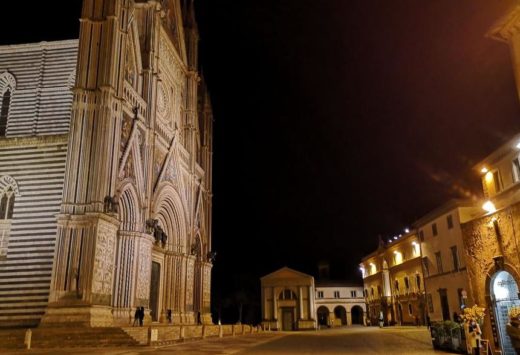
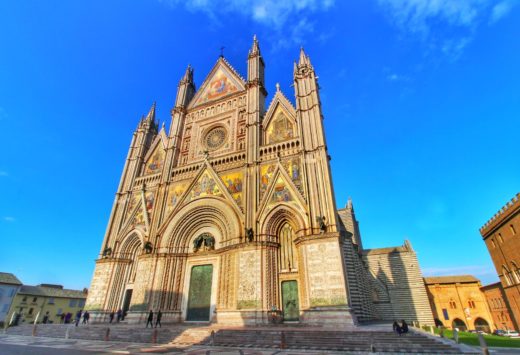
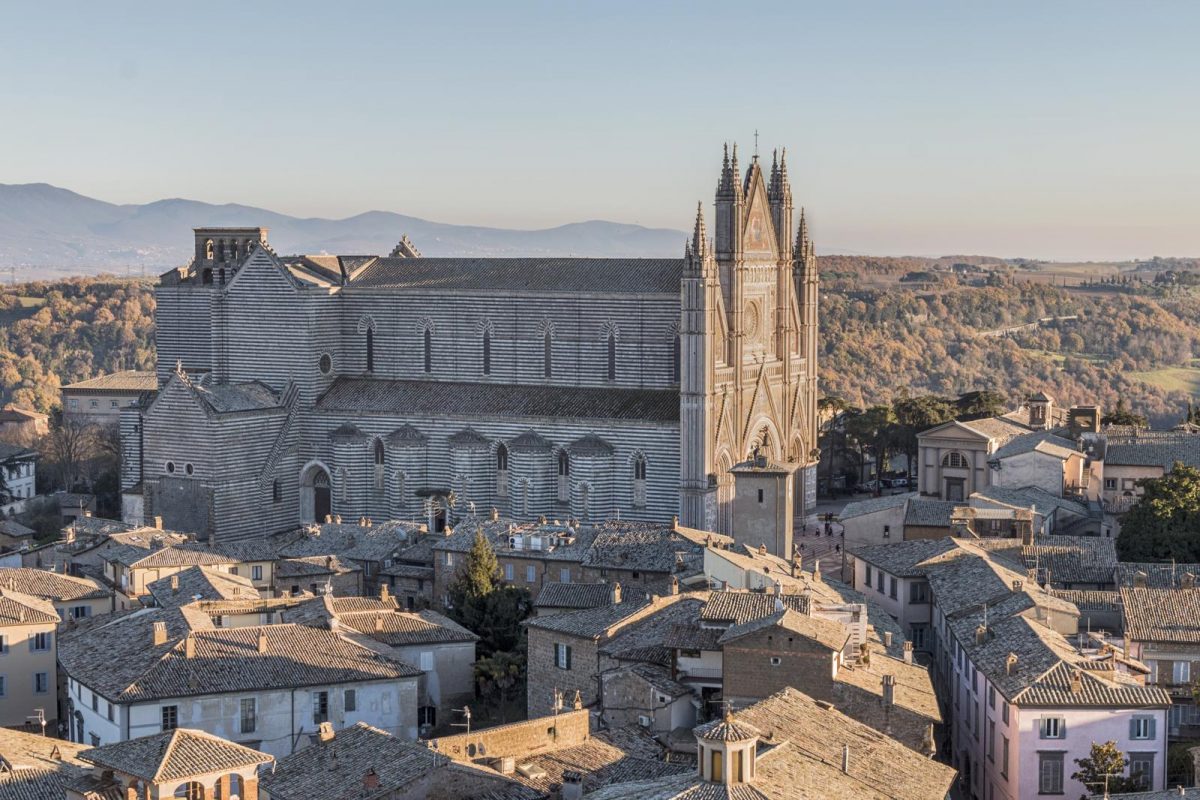
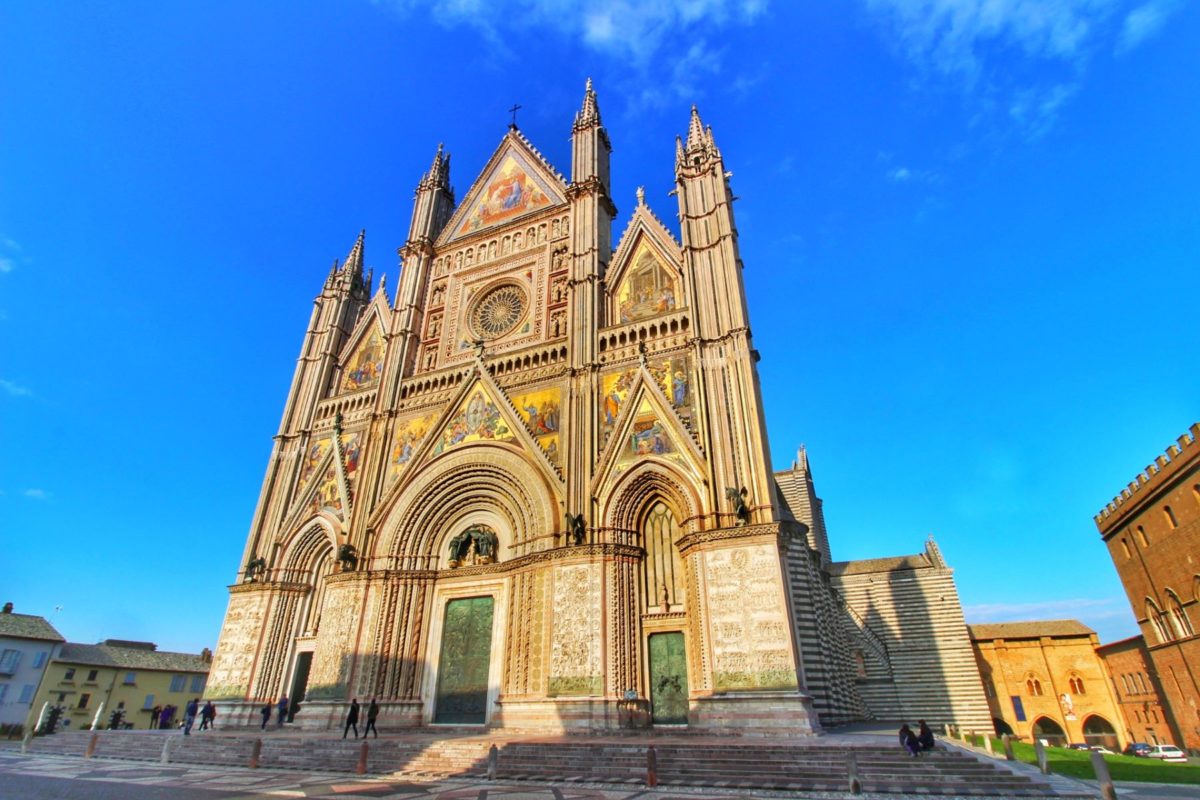
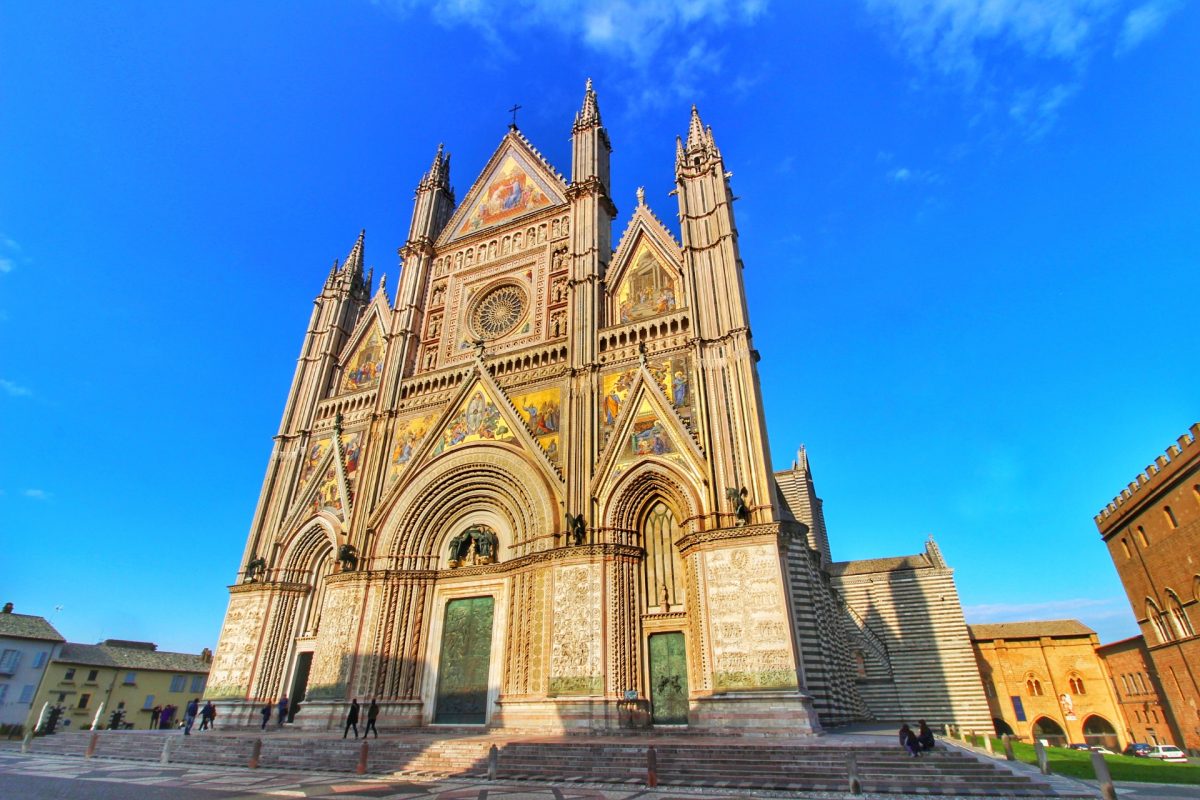
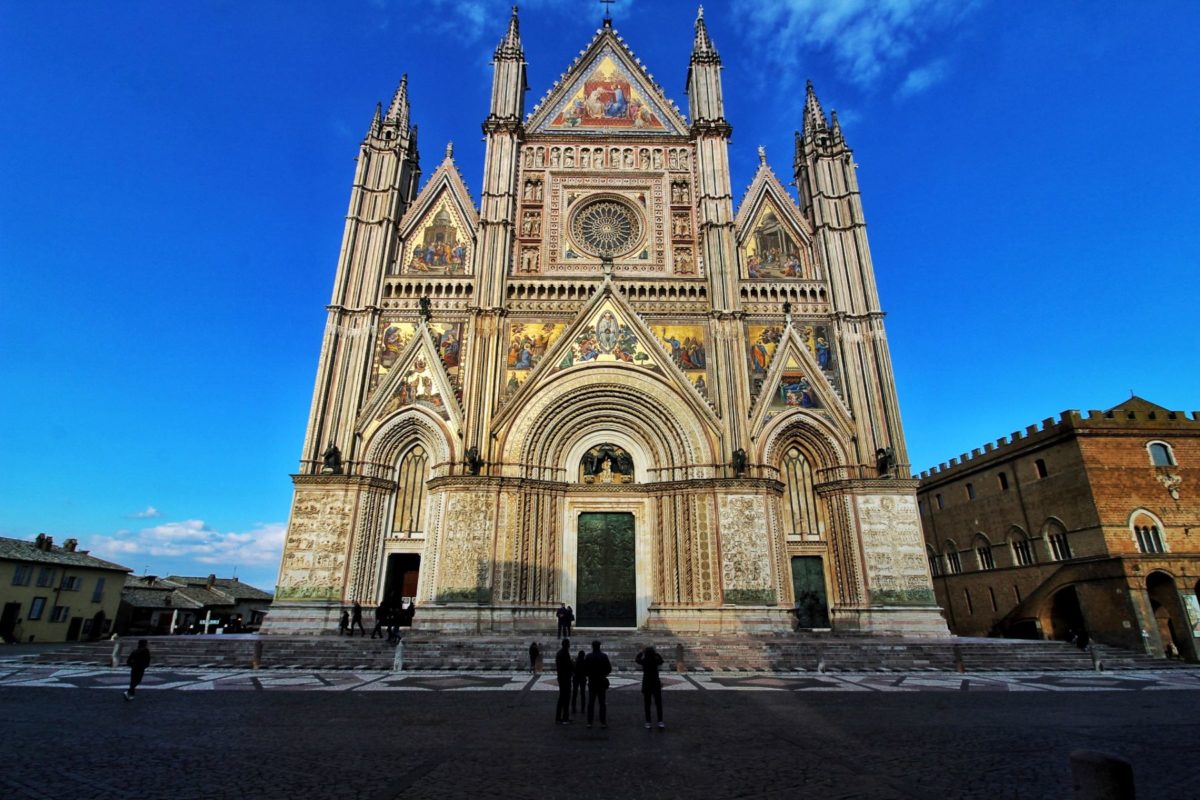
Orvieto’s Duomo is an undisputed masterpiece of late medieval-Gothic architecture. The variety of decorative elements – all perfectly integrated into each other despite being the work of many different artists – and the majesty of the structural forms makes this building unique in Italian architecture. As a symbol of the city, its bulk towers over and dominates the entire plateau on which it stands. Some of the most eminent master builders of the Italian Middle Ages contributed to its construction over a period of more than three centuries, from the 13th to the 17th century.

The first stone is said to have been placed in 1290 in a joint decision between the Church, in the person of Pope Urban IV, and the Commune. In fact, two needs had to be met: on the one hand the substitution of two small, dilapidated churches of S. Maria (episcopal) and of S. Costanzo (Parochial) in the town square, of the on the other, that of giving a worthy resting place to the holy relic of the famous ‘Miracle of the Blood’ of Bolsena. According to tradition, during a Mass, in the church of S. Cristina in 1263, the consecrated host began to bleed in the hands of a priest who did not fully believe in the dogma of transubstantiation. The drops of blood trickled down and stained the altar cloth, the sacred Corporal, which is still preserved in the chapel of the same name and carried in procession for the feast of Corpus Domini.

The first building project included a Romanesque basilica, but it was modified to a purely Gothic structure when Giovanni di Uguccione replaced Fra Bevignate in directing the works. The sculptor and architect Lorenzo Maitani was entrusted with the continuation of the work in 1309, which he accomplished spectacularly, creating a rectangular apse, a four-lancet window behind the altar, the beautiful relief decorations of the four pillars at the bottom of the facade, and four beautiful bronze sculptures symbolizing the evangelists. On his death, the Duomo was entrusted to the fine skills of Andrea Pisano, who was already working at the Duomo in Florence and, from 1359, to the mastery of Andrea di Cione, known as Orcagna, who created the marvellous mosaic  decorations and the rose window on the facade.

Over subsequent years, direction of the works passed to illustrious figures such as Michele Sanmicheli and Antonio da Sangallo the Younger, up to the final interventions carried out in 1970, when the original wooden doors were replaced by majestic bronze portals, with scenes dedicated to ‘Works of Mercy’, created by the Sicilian sculptor Emilio Greco.

The facade of the Duomo overlooks the square and captivates observers with the richness of its decorative elements and the grandeur of its architecture as it rises majestically upwards: the brilliance of the golden mosaics, which illustrate scenes from the life of the Our Lady of the Assumption to whom the Cathedral is dedicated, provides a background to the magnificent central rose window, composed of a double row of columns with crossed arches, framed on all four sides by the mosaics of the Christian Fathers: Sant’Agostino, San Gregorio Magno, San Girolamo and Sant’Ambrogio and by the sculptures of the Apostles and the Prophets.

The much more sober side walls are instead characterized by the alternation of basalt and travertine rows which give the building the characteristic alternating white-dark green colour. Inside, the Duomo has a Latin cross plan, divided into three spacious and elegant aisles, with trussed roofing and the same decoration with alternate travertine and basalt bands as on the outside. Among the works of art worthy of mention are the Pietà (or Deposition) and the pipe organ by Ippolito Scalza. A number of masterpieces are also preserved in the two side chapels of the transept: the Capella del Corporale houses the sacred relic of the “Miracle of Bolsena” in a very precious reliquary, made between 1337-38 by the Sienese goldsmith Ugolino di Vieri; the Capella della Madonna di San Brizio is decorated with frescoes by illustrious painters of the calibre of Fra Angelico, Benozzo Gozzoli and Perugino, and the indescribable masterpiece of the Giudizio Universale (Last Judgment), created between 1500-1503 by Luca Signorelli, imitating Michelangelo’s frescoes in the Sistine Chapel.

The remains of the imposing Fortezza di Albornoz stand on the eastern end of the tuff cliff,  leaning against the Porta Rocca or Soliana, and are accessible from Piazza Cahen.

Due to its strategic position of domination and control over the valley of the Paglia river, the fortress was built in the 14th century on commission of Cardinal Egidio Albornoz, legate to Pope Innocent VI. According to historical records, work officially began on 25th September 1364, under the direction of Count Ugolino di Montemarte, a military architect on the payroll of the Commune of Orvieto. The original fortress was a massive quadrangular building with defensive towers on the sides, protected by a moat with two drawbridges. Today, unfortunately, only part of the original perimeter wall remains, along with a tower and the rampart walk.

The Fortress was almost entirely destroyed in 1390 but rebuilt on the ancient perimeter by Antonio da Carpi and in 1527, by order of Pope Clement VII, its water supply was guaranteed by the construction of the famous Pozzo di San Patrizio.

The most recent works commenced in 1888: the moat was filled in and prepared for the construction of the Funicular line and an Amphitheatre for daytime shows. The Fortress is currently home to the Parco Giardino Pubblico di Orvieto (Orvieto Public Gardens), which offers a spectacular view of the valley stretching out endlessly below.

The National Archaeological Museum of Orvieto is located in the heart of the city, in Piazza del Duomo, in what had once been the Papal Palace, opposite the other city museum called Faina.

The museum displays a very rich collection of archaeological finds, discovered over the centuries, in the sites that gravitate around the city: from the Etruscan necropolis of Crocifisso di tufo and Cannicella, which extend outwards from the foot of the cliff, to smaller surrounding centres such as Porano and other recent discoveries made in on-going excavations at the site of Campo della Fiera, identified with the very famous Fanum Voltumnae.

Among the ceramic finds of various kinds and origins, the ‘buccheri’ (shiny black ceramics) of Etruscan production are fascinating, as are the bronze statues and other objects related to the funerary equipment of the families buried in the necropolis.

One room is dedicated to the reconstruction of the two Golini tombs. These are two sepulchral environments found at the end of the 19th century, with walls bearing very interesting decorative frescos for the reconstruction of ancient daily life. To ensure the preservation of the paintings, they were removed from the original place and placed in the museum in perfect compliance with their true original location. The scenes describe, in great detail, the funeral banquet of the deceased in the presence of the underworld, surrounded by servants engaged in the preparation of foodstuffs.

The archaeological museum of Faina is located in Piazza del Duomo and occupies Palazzo Faina, which once housed the Monaldeschi, one of the most powerful families in 13th-century Orvieto. A museum since 1954, it was purchased in the 19th century by Count Claudio Faina senior, who transferred his family collection from Perugia to Orvieto. In that year, the last heir of the family, Claudio Faina junior, decided to donate the building and all his belongings to the Comune di Orvieto to fund the ‘Fondazione per il Museo Claudio Faina’.

The current, very varied exhibition is set out on various levels. On the ground floor, the Museo Civico has a collection of important archaeological remains from various sites in Orvieto. The most famous object is certainly the Venere di Cannicella. The first floor hosts the Faina family collection composed of incredibly precious coins: pieces from the Roman era, from the republican to the imperial period, displayed in strict chronological order. Finally, on the second floor are ceramics from the Etruscan and Greek periods, organised according to typology and chronology. This floor of the building also has a corridor from which you can admire a unique and captivating view of the Duomo.

The museum called Museo dell’Opera del Duomo in Orvieto (MODO) is not really a single museum but a system of museums organised on different levels that are all close to or directly connected with the Duomo. The exhibition and the entire itinerary have the Duomo (cathedral) dedicated to Santa Maria Assunta as its focal point and fulcrum, since it is the undisputed masterpiece of the city of Orvieto. The various rooms contain not only documents and correspondence linked to the various phases of design and construction of the cathedral but also furnishings and decorative elements, once kept inside but then removed in the 19th century, following major restoration work which aimed to restore the Cathedral to its original sobriety.

The exhibition starts from the Duomo itself and moves into the rooms of the Palazzi Papali where there are frescoes from the 14th and 15th century, sculptures and paintings by artists such as Ippolito Scalza, Cesare Nebbia and Arnolfo di Cambio, and finally large panels of the sinopias (preparatory drawings) of frescoes in the Capella del Corporale. The route continues to the Libreria Albèri, built in 1499 by the archdeacon Antonio Albèri who decided to donate his collection of manuscripts and incunabula, totalling more than 300 pieces, to the Duomo. Palazzo Soliano, which is also a papal building, houses the modern collection of bronzes created by the Sicilian sculptor Emilio Greco, to whom we also owe the three monumental portals of the Duomo itself. The itinerary ends in the Church of S. Agostino, where the wonderful sculptural groups referred to as ‘dell’Annunciazione’ are exhibited, created by Francesco Mochi in the 17th century, along with statues of Apostles and Saints, dated from the 16th to the 18th centuries.

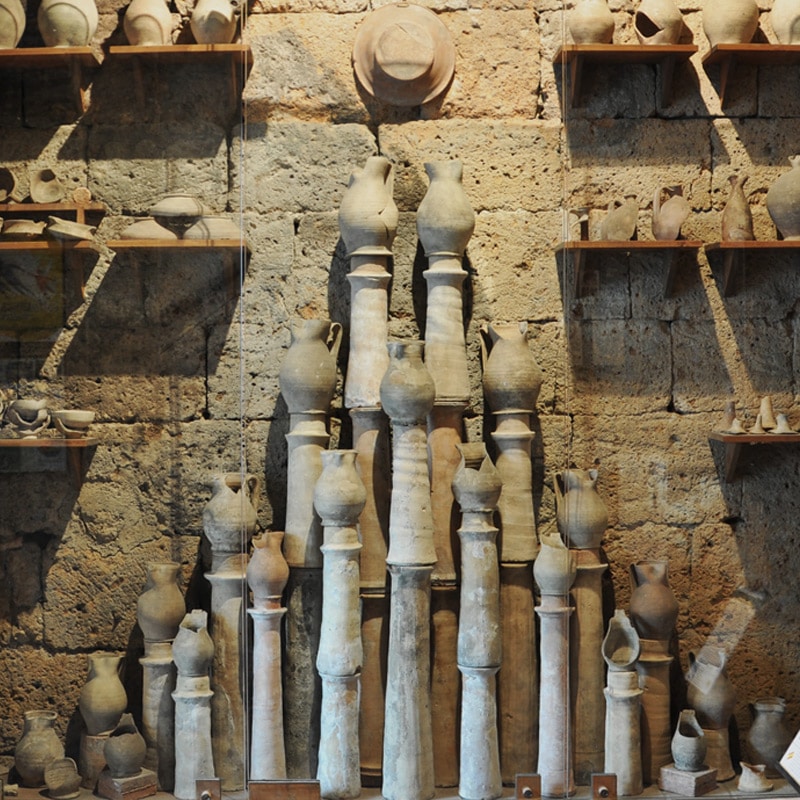
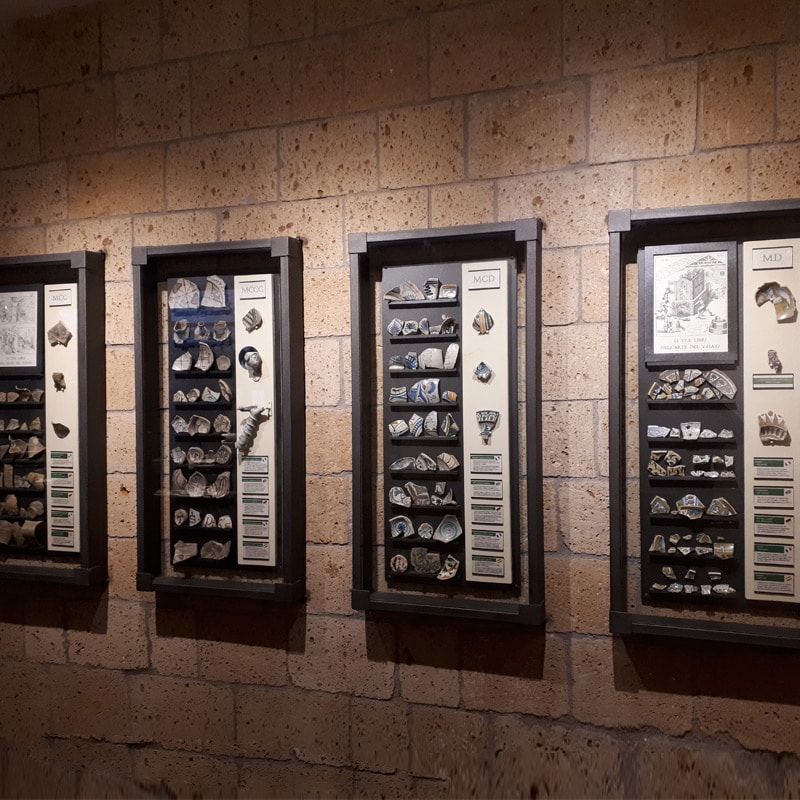
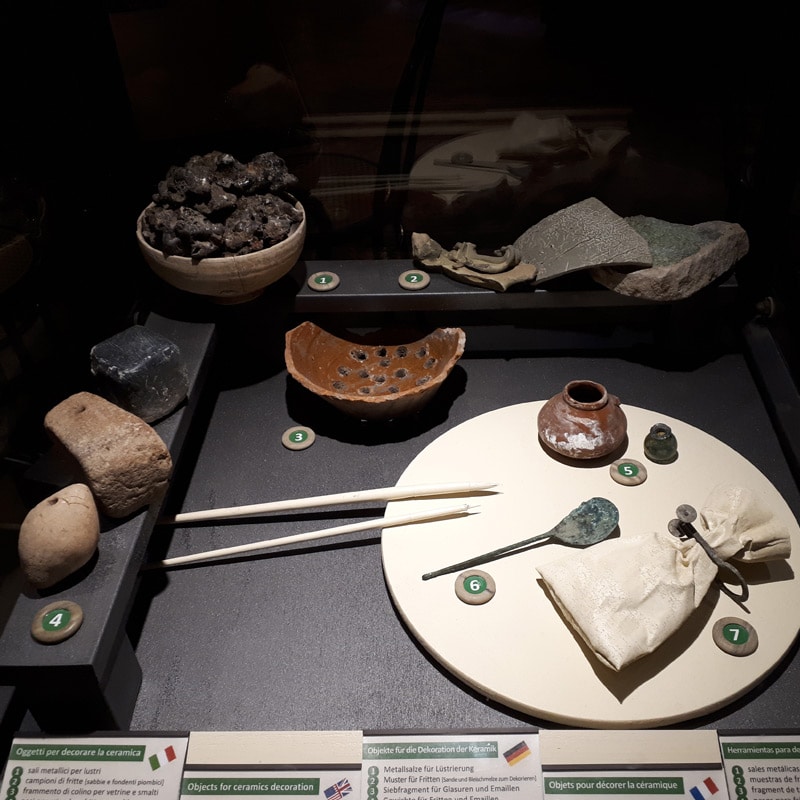
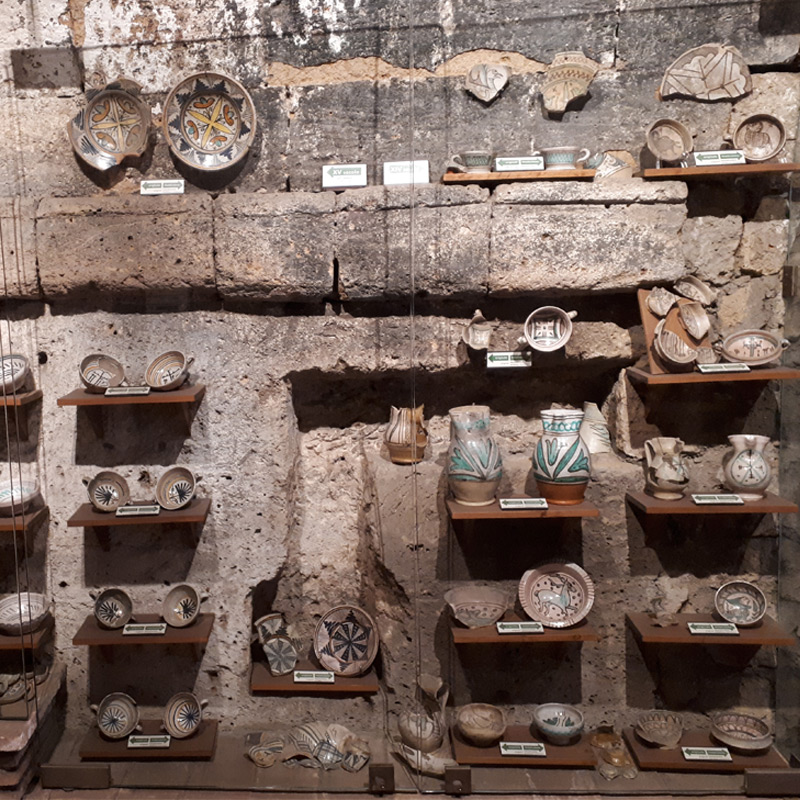
Orvieto’s fascinating Museo delle Maioliche Medievali e Rinascimentali (Museum of Medieval and Renaissance Maiolica Ceramics) was set up inside a disused ancient furnace in one of the oldest parts of the city, in Via della Cava. The sumptuous collection derives from the output and scraps of two ancient kilns located in same street and active for about two hundred years, between the 14th and 16th centuries.

For a long time it was thought that the maiolica ceramics in Orvieto all came from other parts of Umbria and from central Italy (e.g. Deruta) but a more careful analysis of the stylistic and decorative characteristics of the ceramics at the museum led to the conclusion that most of the production must have been local and exported to other large cities in the region such as Gubbio, Montelupo or Faenza, where the ceramics are identical to those in Orvieto.

The museum consists of ten rooms, each dedicated to a particular section of the exhibition, the most important being the Sala dei Simboli, where the most important pieces are kept.

The presence of the Etruscans in Umbria has marked the history and conformation of Orvieto since ancient times, starting from the 6th century BC and stretching over a very long period, leaving important traces that are still visible today both on the surface and underground. As often happens, not only the cities of the living but also those of the dead have become a source of interest and a magnet for archaeologists and modern visitors. In Orvieto, there are two large areas dedicated to the burial of the dead during Etruscan times, positioned respectively north and south of the great cliff of volcanic tuff. They have been extremely well preserved and can now be visited, accompanied by a guide: the Necropoli di Crocifisso del Tufo and the Necropoli della Cannicella. The first takes its name from a crucifix carved in the tufaceous wall of a small Christian church built in the area in the Middle Ages, while the second is so named because of the presence of numerous reeds that surround the area. In both cases, the easily-recognisable rectangular burial spaces are perfectly imbedded in the regular urban layout. Many of the tombs still retain the names of the families that were buried there, while numerous relics and funeral objects found there are now kept in the town’s museums.

There was once also a Sanctuary built on the Necropolis of Cannicella dedicated to the goddess Vei, (the Etruscan Demeter), cited in an inscription found in the area, and attested to by the discovery of one of the most interesting finds in the city’s entire collection: the Venere di Cannicella (the Venus of Cannicella), a female figure from the Greek island of Paro, now displayed at the Museo Faina di Orvieto.

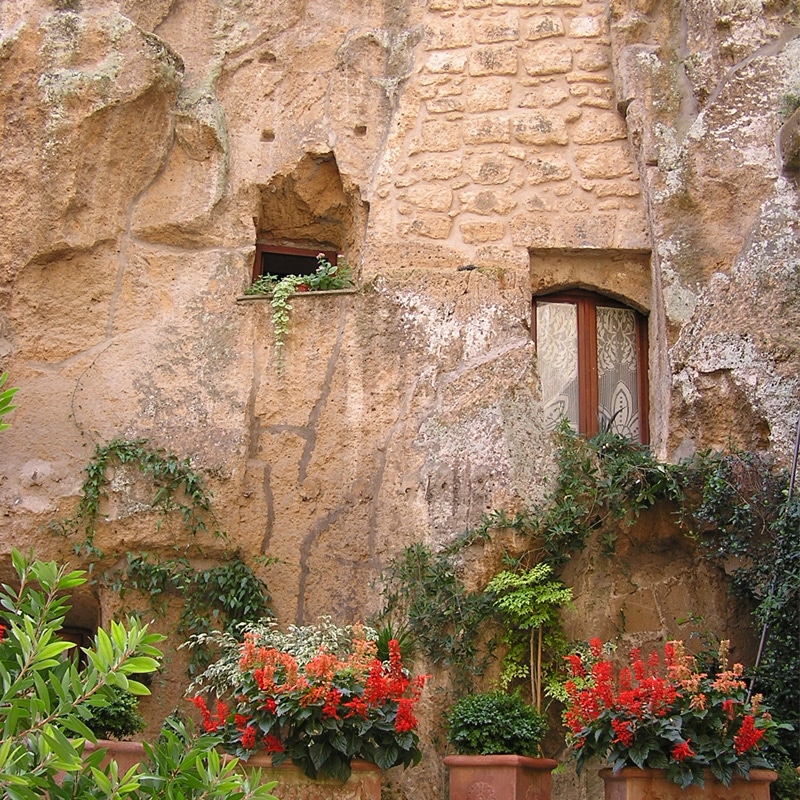
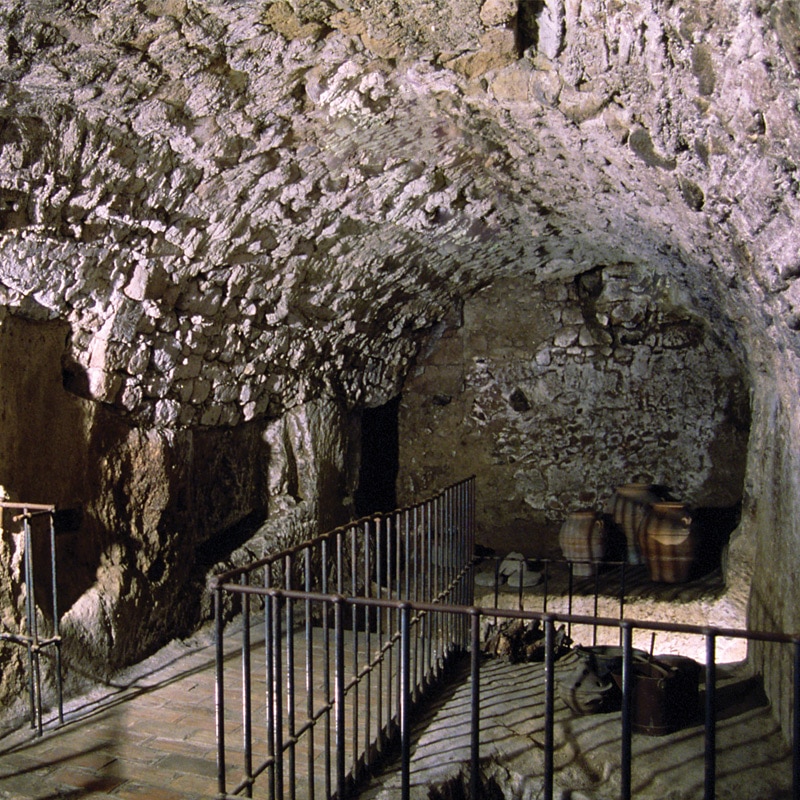
To the architectural and landscape marvels of the surface, kissed by the sun and surrounded by the greenery of the valley that hosts it, Orvieto combines a hidden treasure and, for a long time remained unknown, today known as Orvieto Sotterranea or Orvieto Underground.

The discovery is due to the commitment of some speleologists who first ventured into a real underground world that still does not cease to amaze anyone who enters them. Thanks to ancient and modern studies (the first censuses began since the nineteenth century), today it has been possible to survey as many as 1200 cavities of different nature, age and function that constitute the labyrinthine heart of the city.

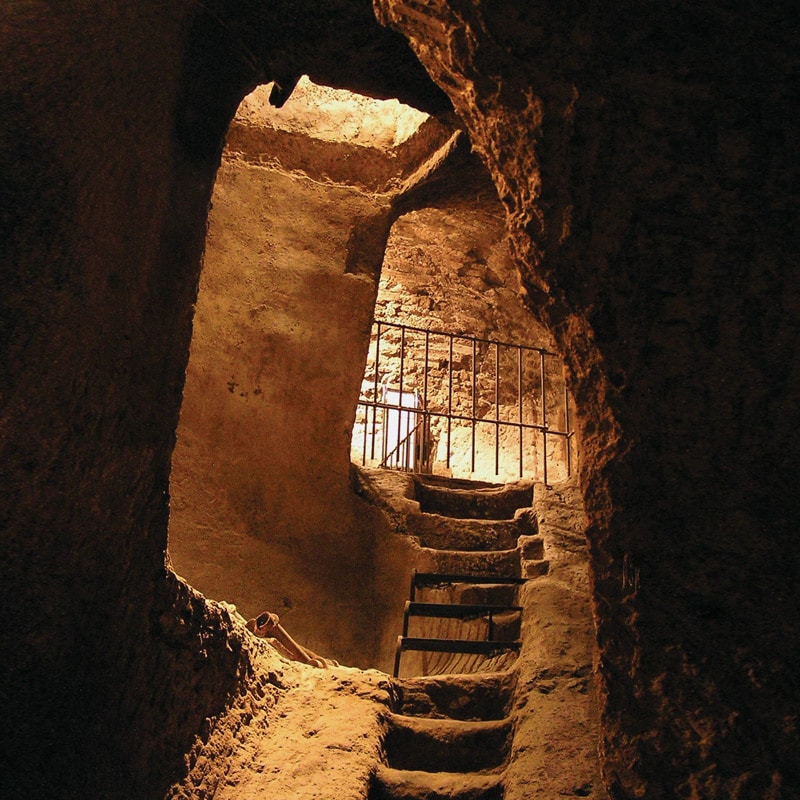
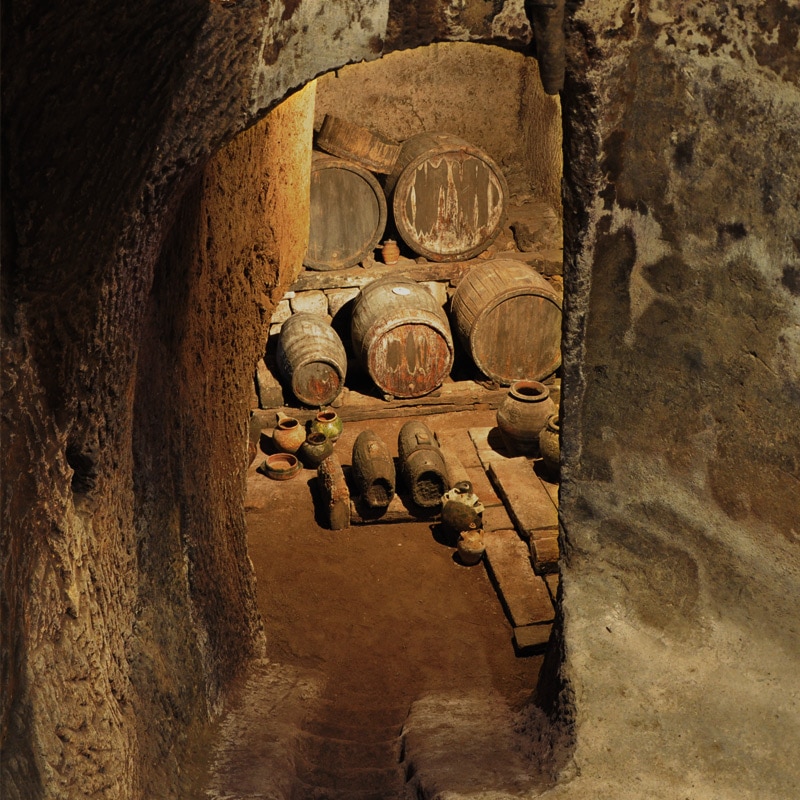
From Piazza del Duomo a guided tour will allow visitors to explore the wonders of this parallel world, retracing the stages of history from the Etruscan city of Velzna, to the Urbs Vetus of the Middle Ages, to reach the cisterns, wells, even the remains of a Renaissance and modern mill. There are many “colombai”, small rectangular openings carved into the rock, generally in connection with the outside that allowed the breeding of pigeons. It will be possible to recognize the unmistakable Etruscan wells, jewels of hydraulic architecture with “pedarole”, made on the walls of the cavities to allow the ascent and descent into the wells. Intricate tunnels, will travel the city spaces for miles, showing the remains of cisterns, environments dedicated to the shelter of animals, fullonics for dyeing wool, even the remains of the urban aqueduct that was built in the Renaissance, connecting to the structures of the very famous Pozzi di S. Patrizio and della Cava, without forgetting the very ancient Grotta dei trochi fossili, which returned paleobotanical remains dating back to 320 thousand years ago, long before the arrival of men.

The private underground Museum, known as “Hadrian’s Labyrinth”, deserves a special mention. The definition of Labyrinth derives from the tortuous nature of the path that winds through about twenty tunnels, wells, cavities and cisterns that were discovered, in the Seventies, by Adriano and Rita, owners of the pastry shop that rises immediately above the museum. During the renovation works on the floor, the two pastry chefs made the unusual discovery and transformed the area into an archaeological site, which can be visited with a guide, who was recognized as a private museum.

In short, the nature of the Rupe, composed of tufa and pozzolana, allowed the uncontaminated spaces of the subsoil to be worked for three thousand years, creating a world that today constitutes the other side of the medal of a city that is already wonderful even on the surface.

The exceptional structure of the city of Orvieto, built entirely on a tuff base, thereby guaranteeing its protection from enemy attacks, has allowed for the preservation of a large part of the immense city gates that allowed access to the historic centre in the Middle Ages. Of the many entrances built, two have now been completely lost: Porta Cassia and Porta Daziaria (so called because passage through it required the payment of a customs duty). Both were located in present-day Piazza Cahen.

The other Porte (Gates), on the other hand, are well preserved, visible and still used as entrances to the city: Porta Vivaria, which can only be accessed on foot, leads to the Etruscan necropolis of Crucifisso del Tufo via an attractive walk along the sides of the cliff and Porta Maggiore and Porta Soliana (or della Rocca). Located, respectively, on the west and east sides of the cliff, these two gates were built for defensive purposes in the 13th century and are both decorated with a statue of Pope Boniface VIII.

The last and most important of these monumental Gates, Porta Romana, was built in modern times, in 1822, and is currently the main entrance to the city. The gate is modern in design and made of regular stone ashlars that lend simplicity and elegance. There are two decorative statues at either side representing an imperial eagle and a goose, taken from the Orvieto city coat of arms and closely linked to the history of the city of Rome. The goose refers to the geese of the Campidoglio (dedicated to the goddess Juno) who foiled numerous attacks on the city thanks to their gaggling.

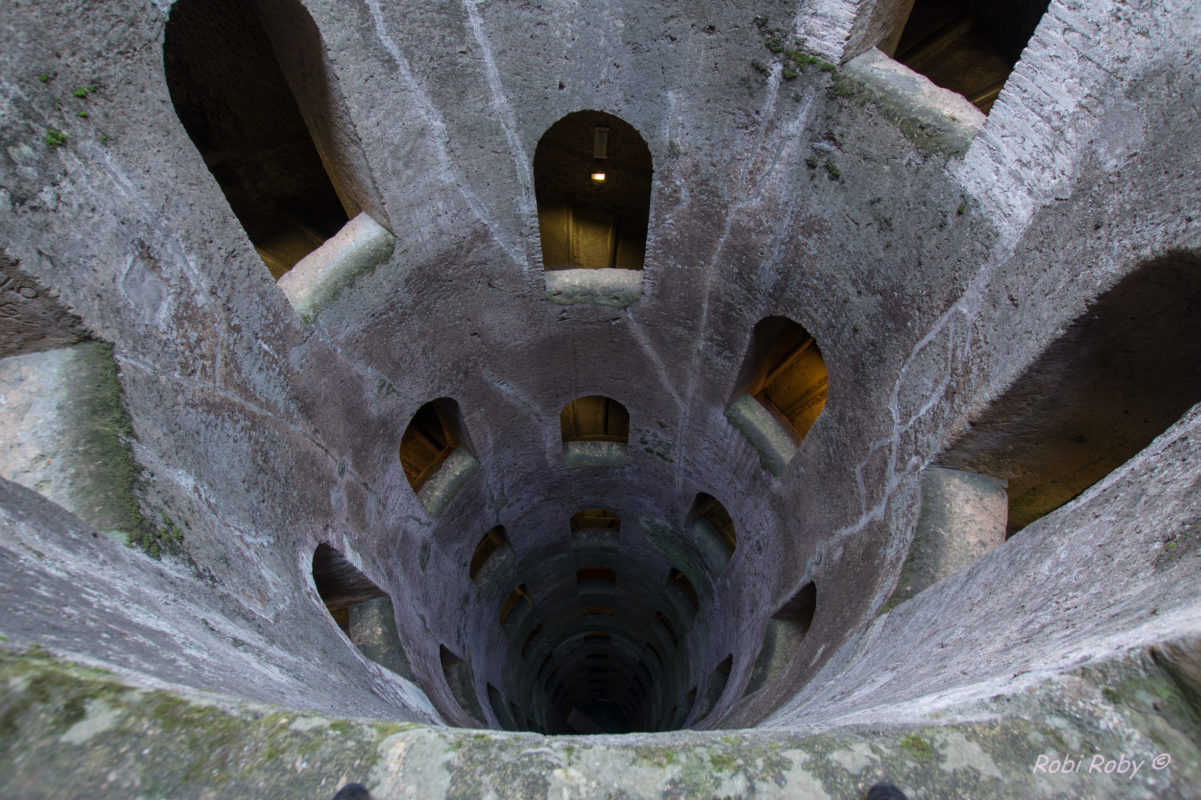
One of the most famous tourist attractions in the city of Orvieto is certainly the Pozzo di San Patrizio (St Patrick’s Well). This masterpiece of hydraulic engineering, although part of the intricate underground system of the entire city, is unique and a marvel not to be missed.

The work was commissioned in 1527 by Pope Clement VII, who had taken refuge in Orvieto following the ruinous ‘sack of Rome’. In order to ensure a water supply to the Fortezza Albornoz in the event of a siege, the pontiff commissioned Antonio da Sangallo the Younger with the ambitious project, enabling the latter to showcase all his skills as a Renaissance artist.

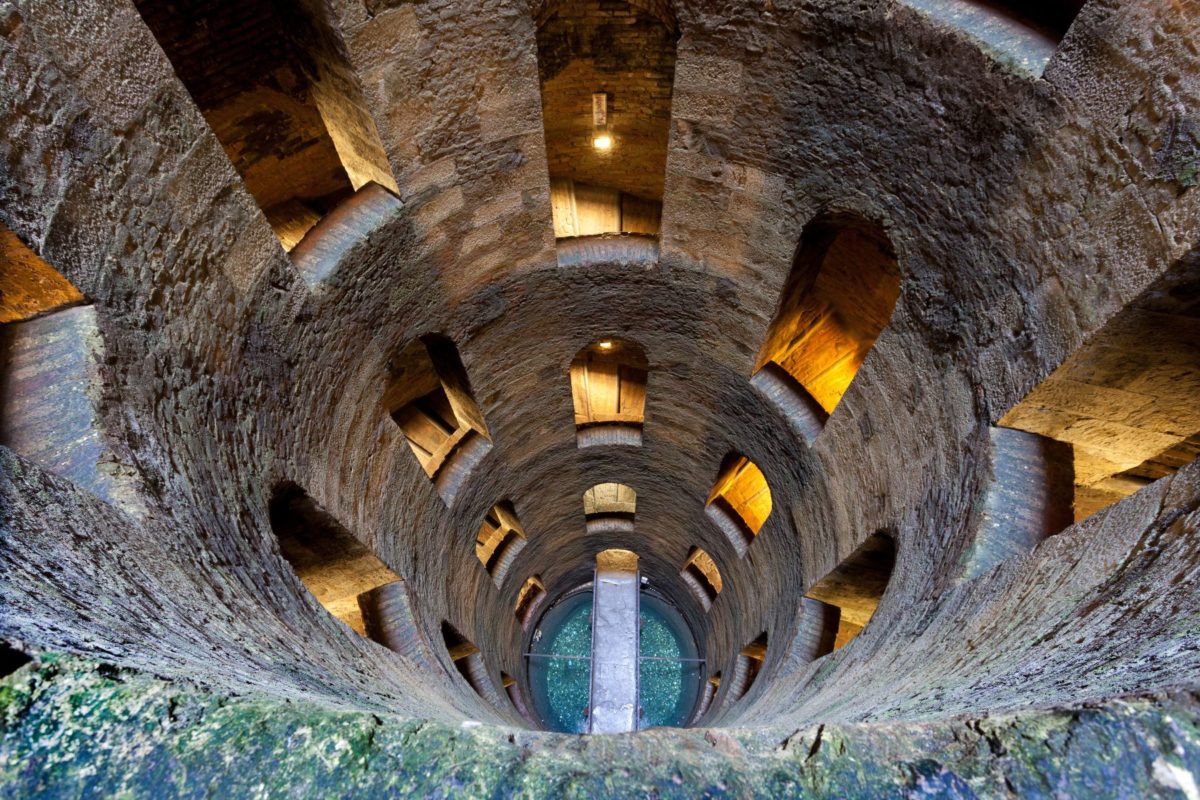
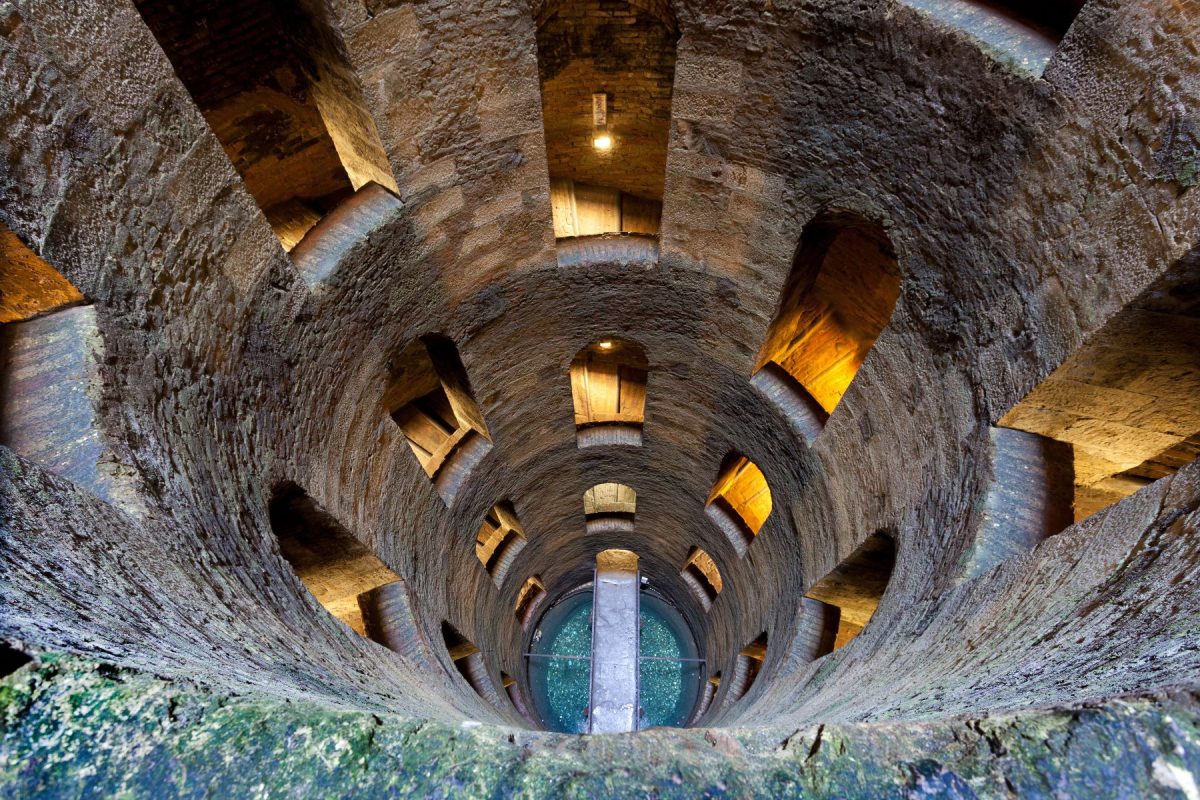
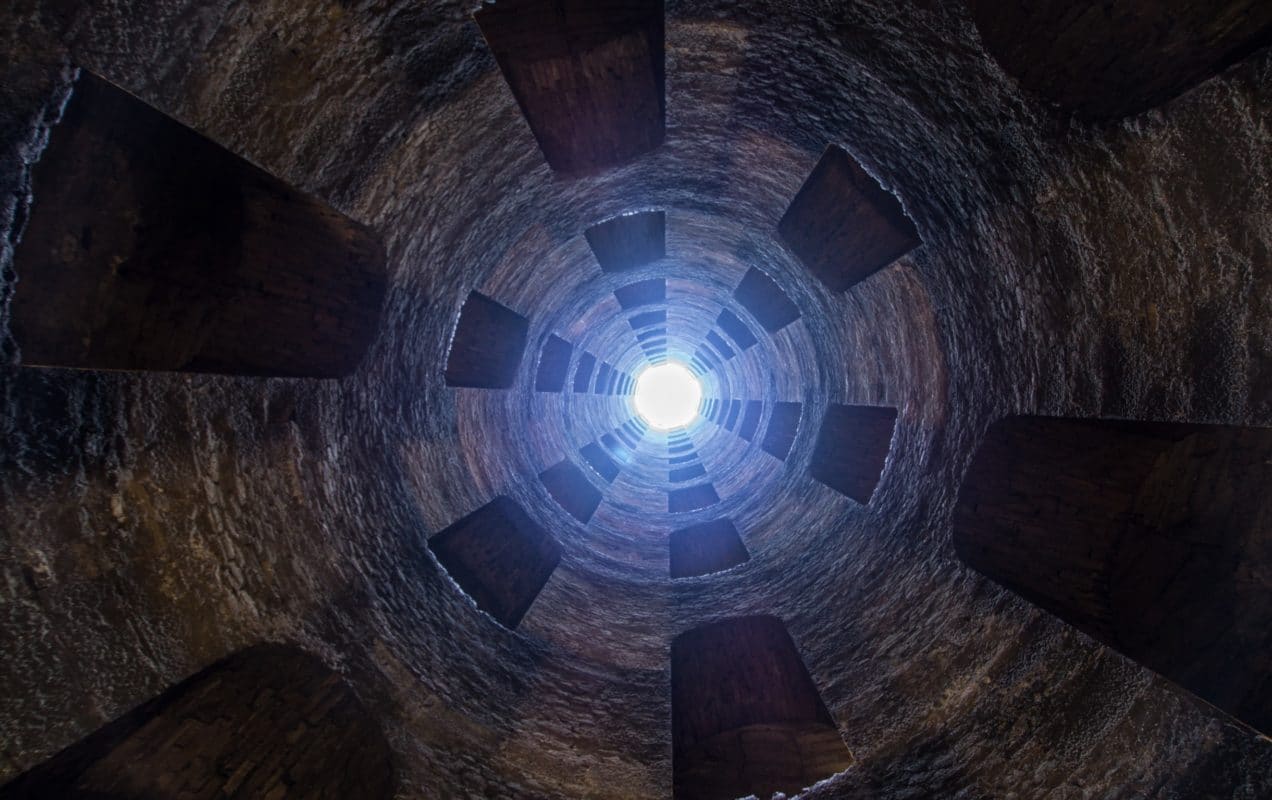
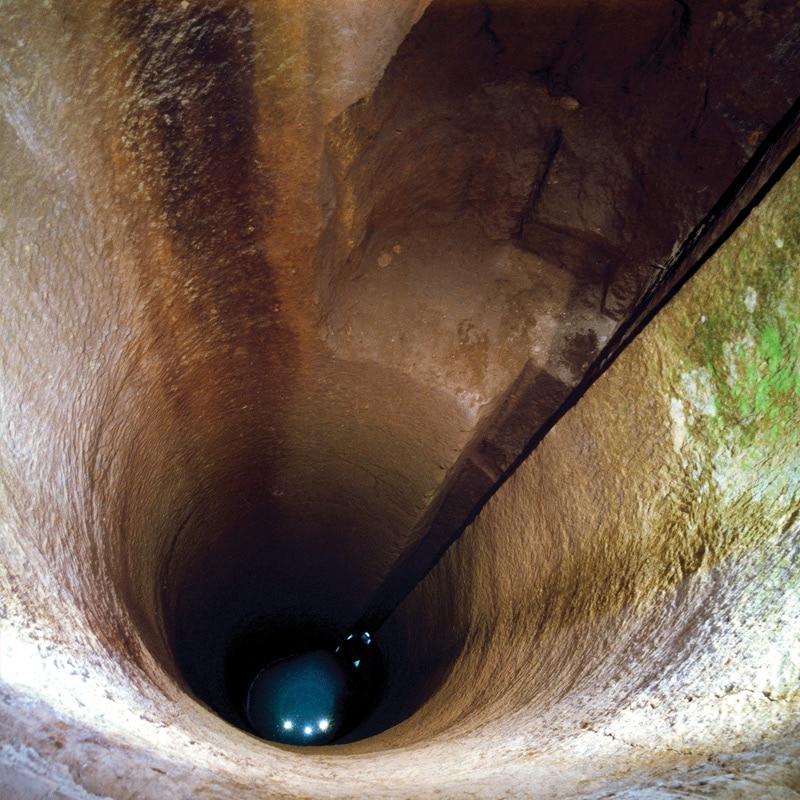
The well has a depth of 53 metres and a diameter of 13 and is positioned inside the Fortress in the spot where it would have been strategically easier to reach the aquifer. The exceptional nature of the project lies in Sangallo’s creation of two monumental helicoidal staircases (on the model of the spiral staircase in Villa Belvedere in the Vatican) that never meet, each of which is made up of 248 steps, designed to ensure the movement of the beasts of burden used for transporting water, without these colliding in both directions of travel. Today the intriguing climb can be enjoyed by tourists wanting to experience something truly remarkable. The corridors on the stairways are lit by seventy-two windows that give the whole structure a surreal atmosphere. The well was initially known as Pozzo della Rocca but it was renamed after s. Patrizio (St Patrick) at the behest of the monks of the nearby convent of the Servi, who associated the well in Orvieto with the famous well of the Irish saint, in which it was reputedly possible to descend to Purgatory.

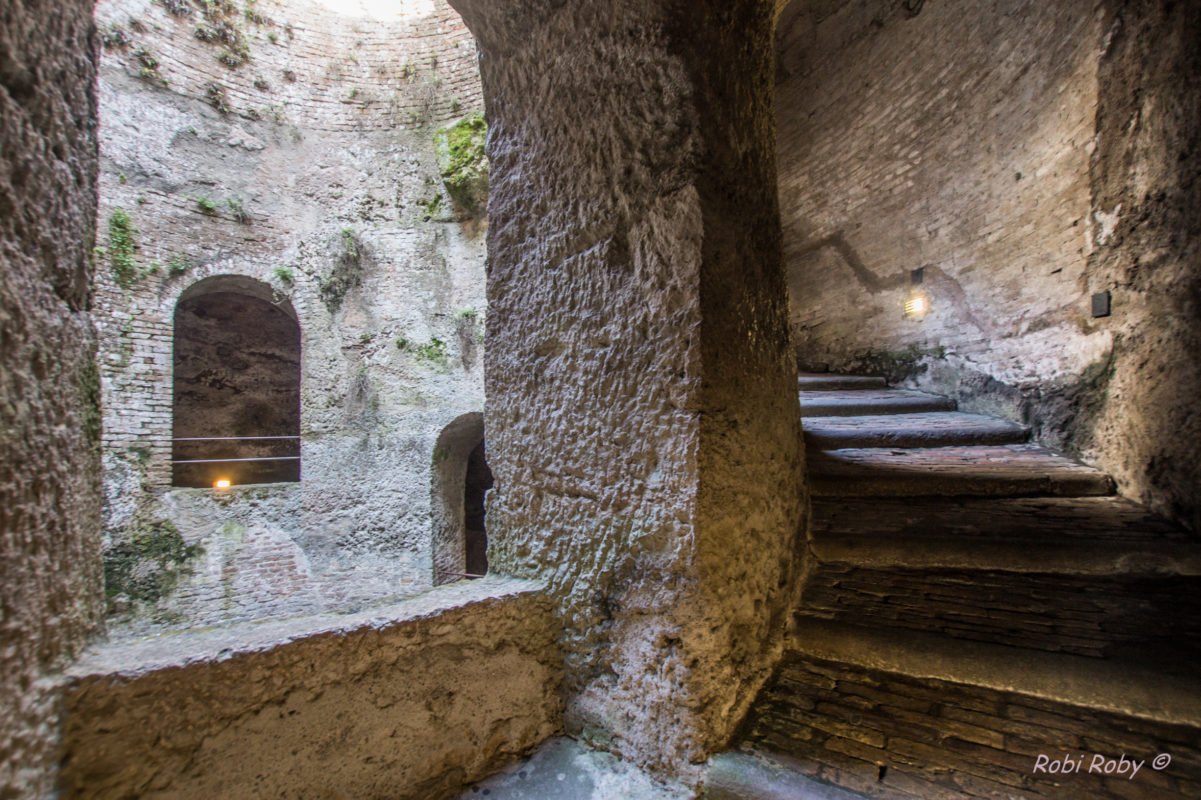
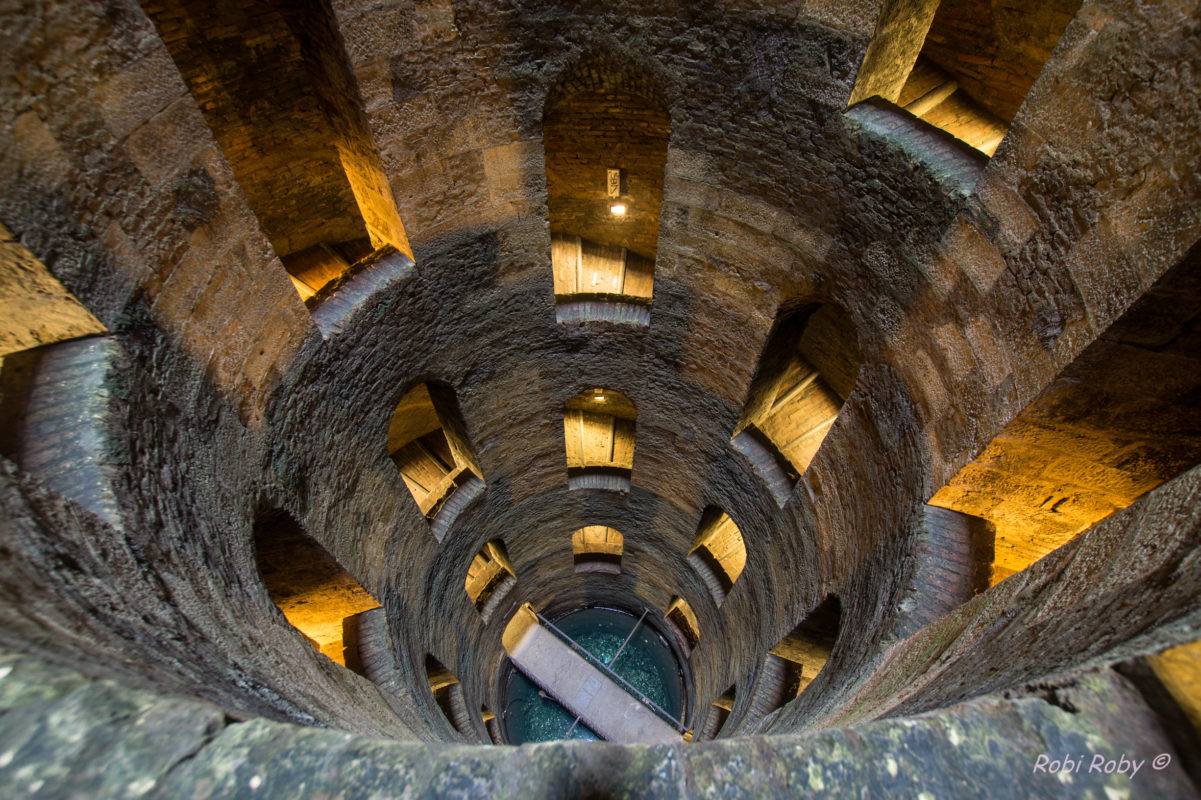
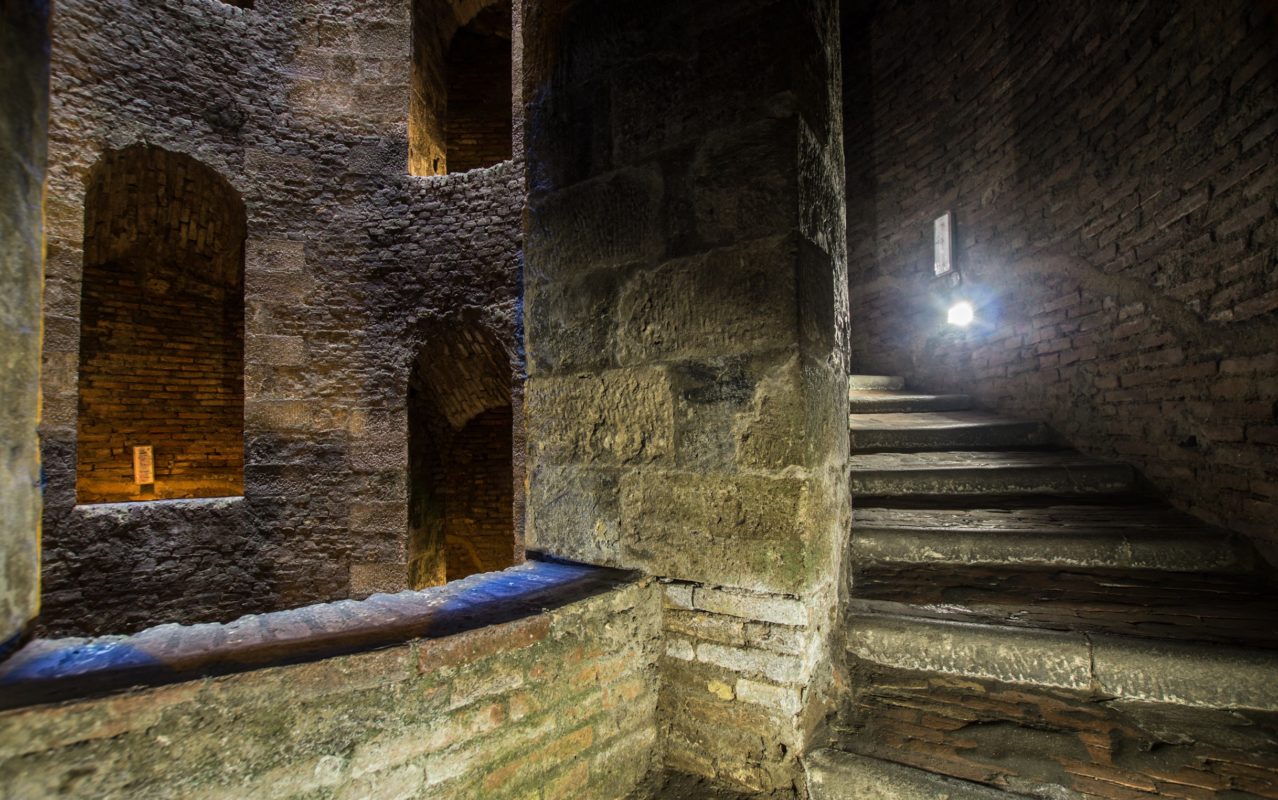
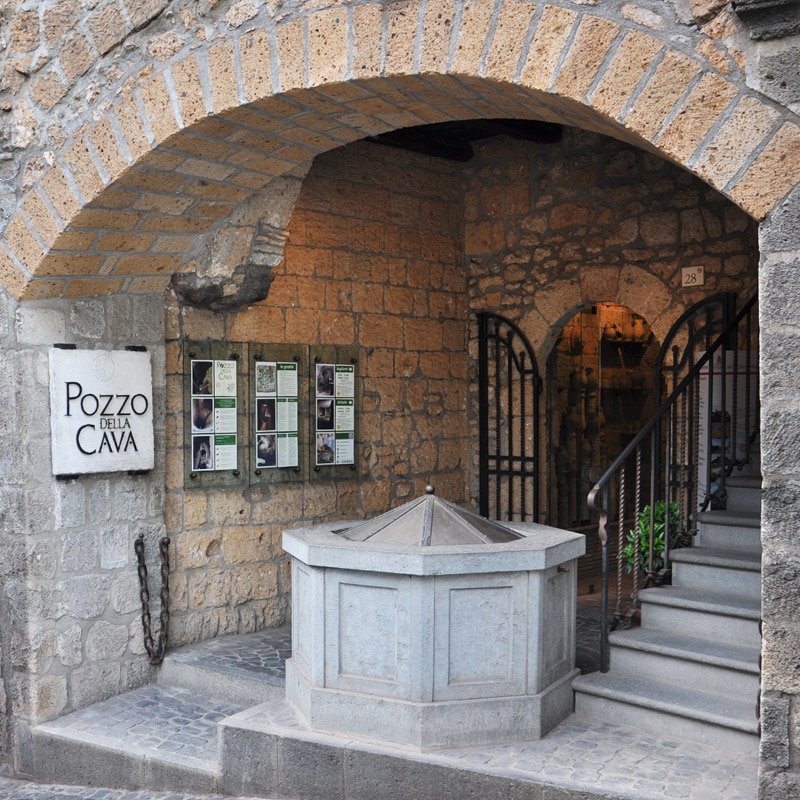
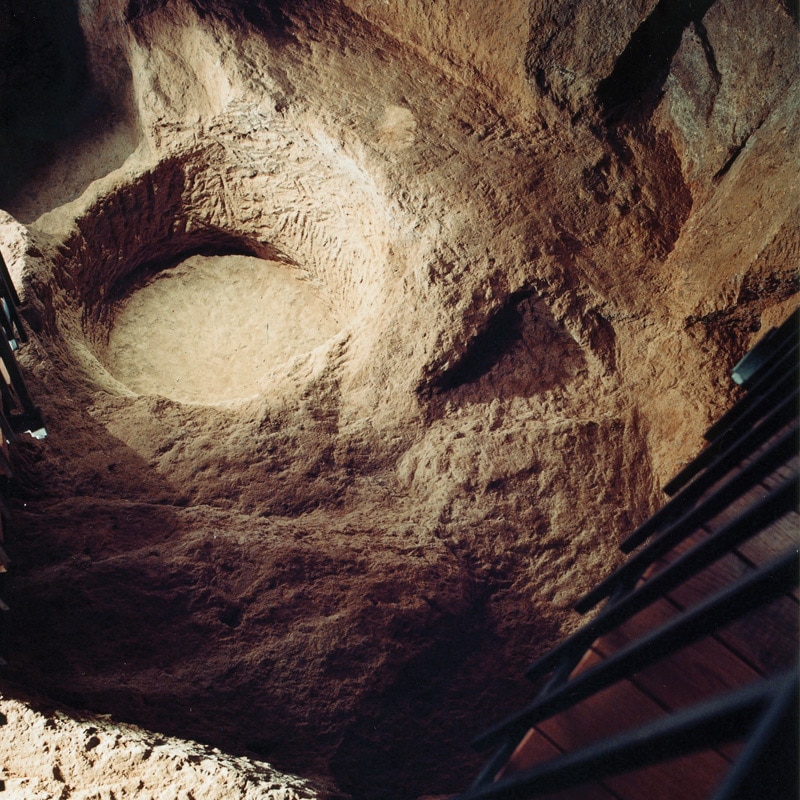
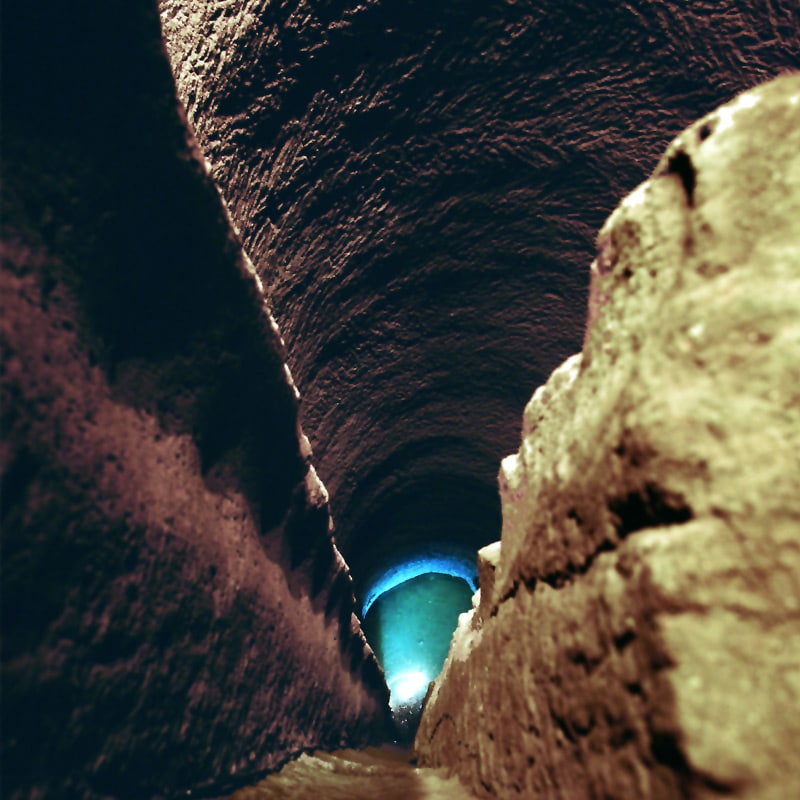
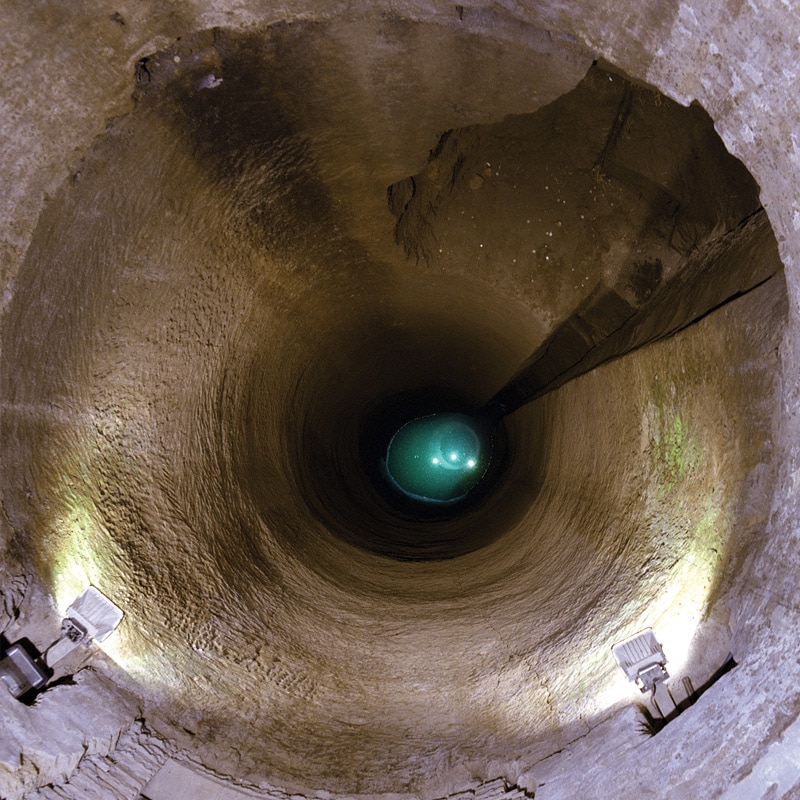
In one of the most ancient and intriguing areas of the city, accessible from Via della Cava, stands a fascinating well, Pozzo della Cava, so-called because the area housed a quarry of building materials in ancient times.

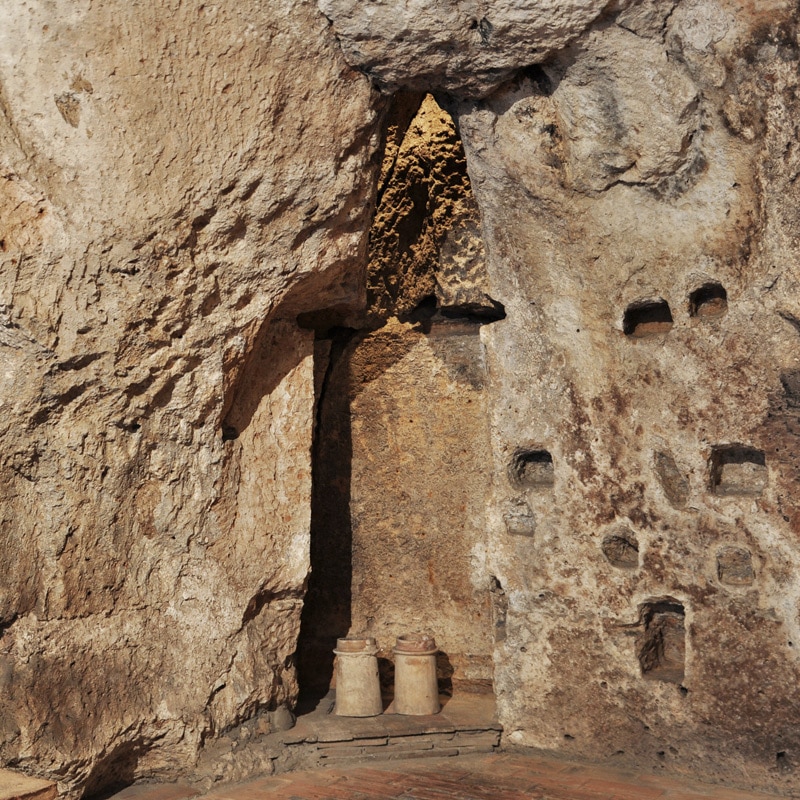
The well, brought to light over the course of various interventions, has a depth of 36 metres, divided into two connected structures: the first, with a circular plan, has a diameter of about 3.40 metres, while the second is rectangular, measures 60 x 80 centimetres and presents evident signs of the Etruscan ‘pedarole’, which are incisions made on the walls to allow ascent and descent.

Following the discovery of a signed letter by Antonio da Sangallo the Younger made by Lucio Ricetti in 1999, it was possible to confirm that Pozzo della Cava was the first well built in Orvieto commissioned by Pope Clement VII, around 1527, even before the equally famous Pozzo di S. Patrizio.

The well was entirely dug by hand in the lithoid tuff of which Orvieto’s rock is composed, and must have very ancient origins, as a whole series of spaces and ‘caves’ datable to various ages and functions develop outwards from it and around it: remains of tombs, water tunnels and cisterns dating back to the Etruscan period, but also the remains of an oven for the manufacture of ceramics or cellars dating back to the Middle Ages.

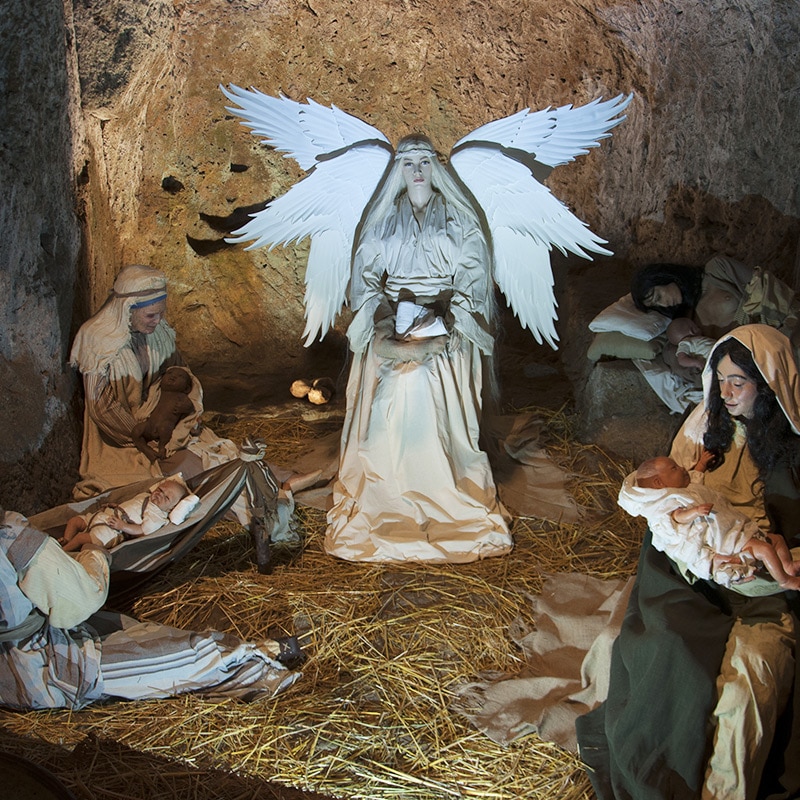
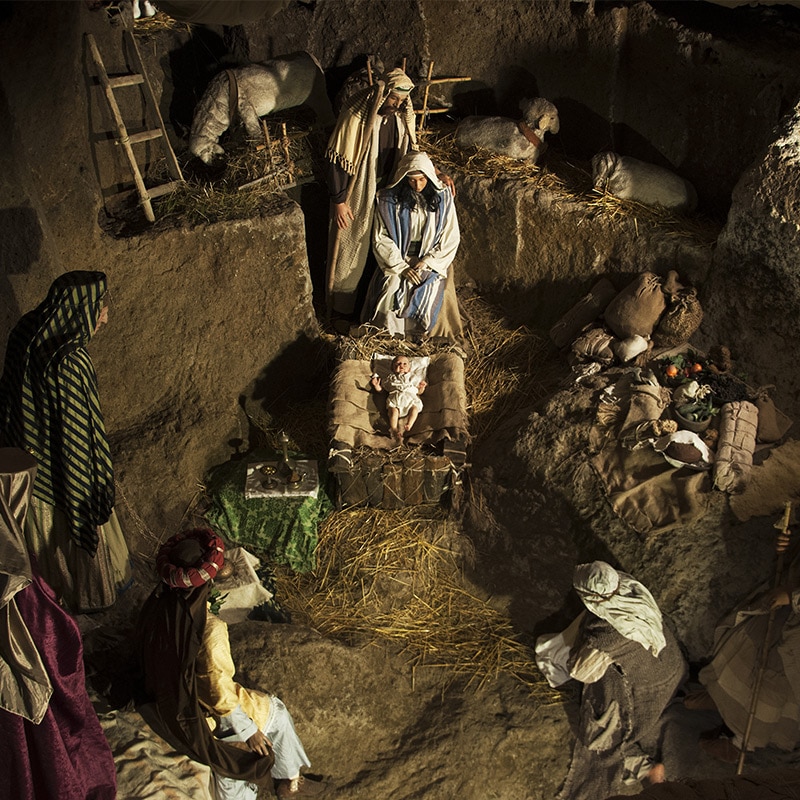
Over recent years, during the Christmas period, the Well has become the chosen spot for a characterful Nativity scene, becoming a tourist attraction in the city known as ‘Il Presepe nel Pozzo’ (‘The Nativity in the Well’), with religious performances on the theme of the nativity.

In Corso Cavour, n. 122, a few steps from the Orvieto’s Duomo, stands the beautiful neoclassical Teatro Cittadino, a fine example of 19th-century architecture.

It was built in 1838, at the behest of a group of citizens who decided to establish an association for the construction of a real theatre in the city. The design and construction of the theatre in elegant neoclassical style were entrusted to Virginio Vespignani, a well-known architect responsible for restorations of many of Orvieto’s palazzi.

Before this date and starting from the 16th century, theatre was performed on the upper floor room of the Palazzo del Popolo, on a wooden structure that, however, eventually proved inadequate. The actors who performed for years on Orvieto’s stages were part of two associations, the first was called ‘degli Scemi’ or ‘dei Confusi’ and was replaced by the second called ‘dei Misti’, in the 19th century.

Internally, the theatre has large, elegant rooms that perfectly reflect the monumental appearance of the external facade. On the entrance stairway there are busts of four important figures: the architect Vespignani who designed the theatre, the painter Fracassini to whom we owe the beautiful painting of the theatrical curtain, and the two brothers Marino and Luigi Mancinelli. The theatre was named after the latter, who was a famous composer and musical director, in 1922.

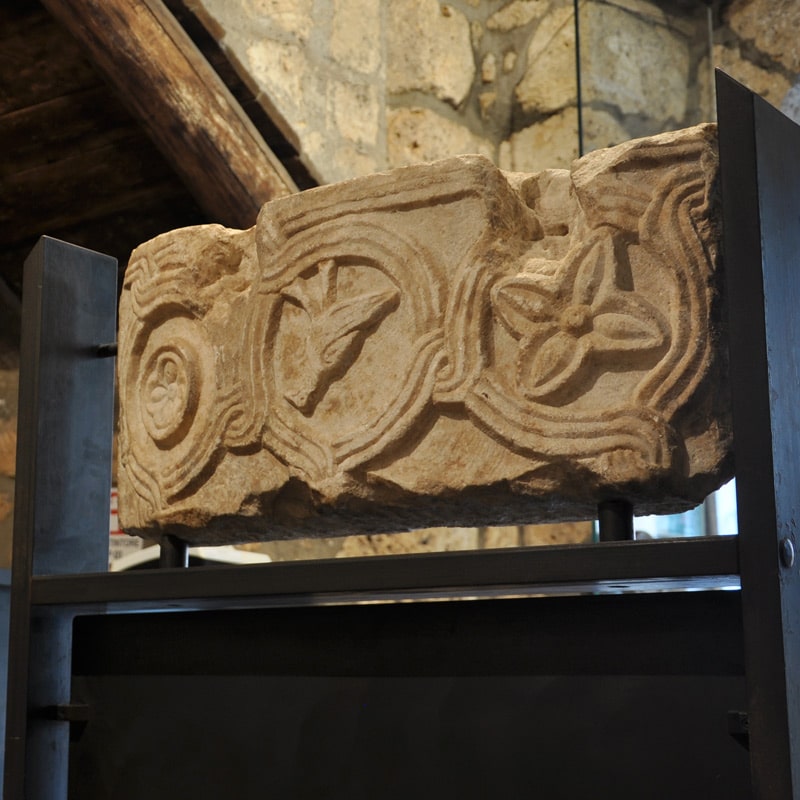
At the entrance to the city, not far from the Pozzo di S. Patrizio and near Piazza Cahen, you can admire the remains of an ancient Etruscan temple known as the Tempio del Belvedere, perhaps dedicated to the divinity Tinia (the Jupiter of the Etruscans). The podium and the monumental entrance staircase of the original temple are still perfectly preserved, while only the bases remain of the four columns that were to frame the sacred hall. Other architectural remains of the temple, such as fragments of decorative friezes are kept in the Museo Archeologico di Faina.

Together with the Necropolises of del Crocifisso and Cannicella, the temple forms part of the archaeological area outside the city of Fanum Voltumnae, clear evidence of the importance of the Etruscans in the Orvieto area.

To the west of Orvieto’s cliff, in a place called ‘Campo della Fiera’, archaeological excavations are still currently investigating the surrounding area. The discovery of finds of various kinds such as coins, jewels, remains of buildings, Greek friezes and ceramics, has led scholars to identify the area at the foot of Orvieto as the famous Fanum Voltumnae cited by ancient writers, making it one of the most important sacred and political sites in the Etruscan world. The sanctuary was in fact dedicated to the god Voltumna and was the federal seat of the twelve cities of the Etruscan league. Tito Livio describes not only the religious festivals celebrated in this sacred place but also worldly and political events such as fairs, markets, games and theatrical performances, as well its role as the site for the election of military commanders.

The beautiful Torre del Moro stands proudly at the crossroads of three of the most important streets in the city: Corso Cavour, Via della Costituente and Via del Duomo, as if to highlight the heart of the city and act as a watershed between the four districts that compose it. Formerly known as the Torre del Papa, the tower was reputedly granted to the Commune of Orvieto, together with the annexed building Palazzo dei Sette, by Pope Leo X, in 1515.

Various hypotheses have been advanced regarding its etymology: according to some, it derives from the insignia of the Moor or quintain that was affixed to the tower on the occasion of the medieval jousts, while according to others it is attributable to Raffaele di Sante, also known as ‘il Moro’ who lived there in the 16th century.

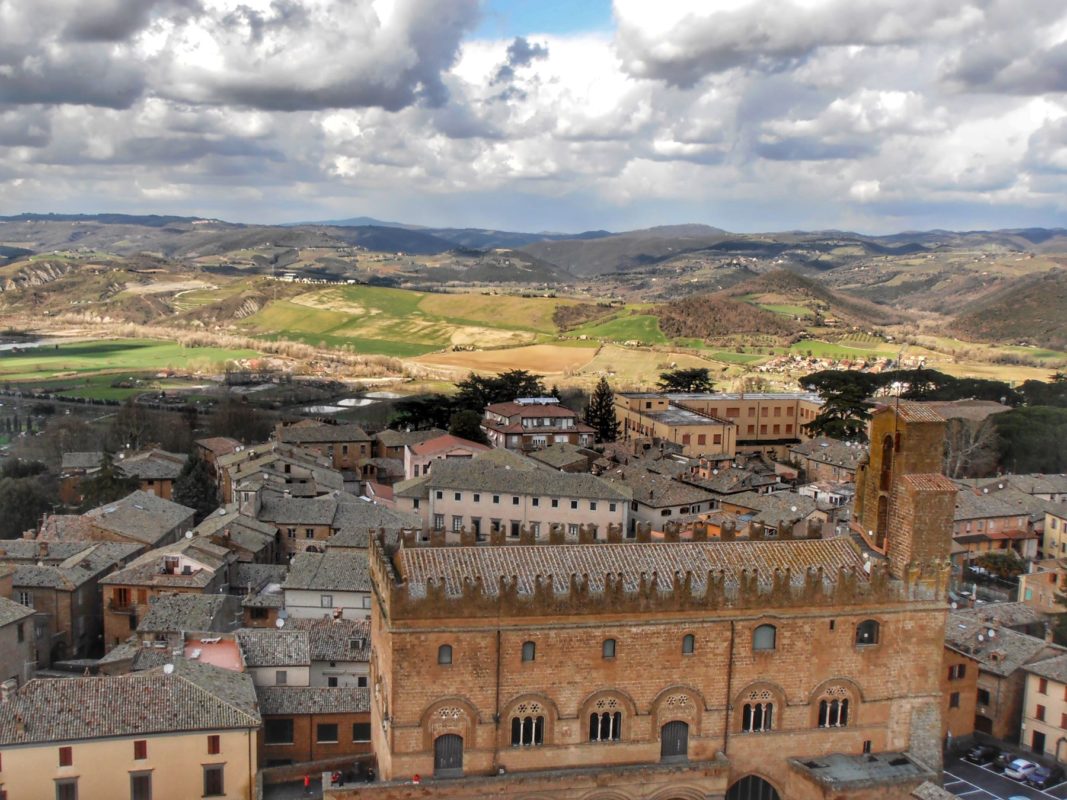
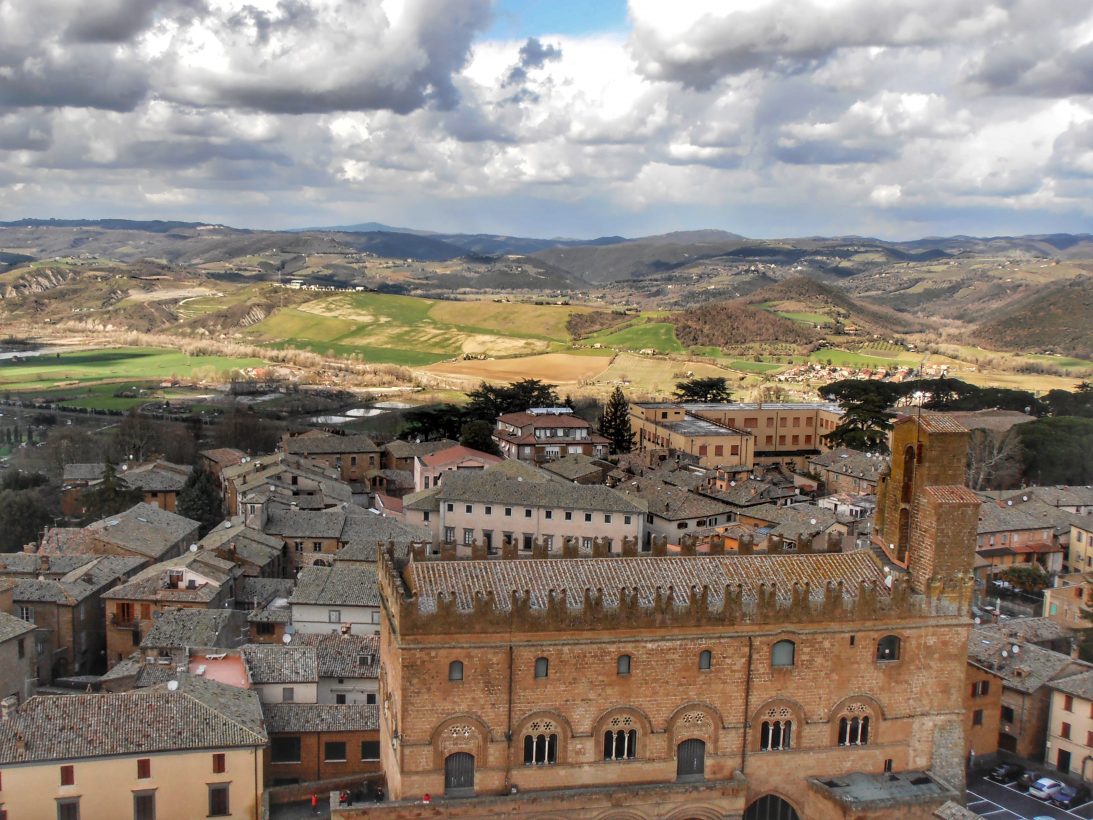
The tower rises to a height of about 50 metres above the city and is accessible to visitors. The terrace on the top affords a breath-taking, all-round view of the entire city of Orvieto and the surrounding area.

Annexed to the tower and directly connected to it is Palazzo dei Sette. Belonging previously to the Della Terza counts, it later passed under Papal rule and was the seat of the Governor during the period of the Communes. Tradition has it that the building also hosted Antonio da Sangallo for a certain period. The name derives from the very important function that the building covered at the end of the 13th century, when it was chosen as the seat of the magistracy of the seven consuls representing the Arts and Crafts of the city of Orvieto.

The building underwent renovations and alternations in the 16th century and in more recent times, in 1996, when it was transformed into an elegant space for exhibitions and events.

Located in Piazza della Repubblica, next to the Torre Campanaria (Bell Tower) and the Chiesa di S. Andrea, Palazzo Comunale (Town Hall) is still the seat of the Municipality of Orvieto.

The original layout dates back to the 12th century but its modern appearance is the result of subsequent renovations. Over time, the building passed under the dominion of local noble families and the Church, until it reverted to municipal ownership and to definitively carry out its function. The last major restoration was carried out in 1532 when Sangallo’s design for renovation was commissioned, while the direction of the works was later entrusted to Ippolito Scalza. Two designs followed: one by Sangallo for the portico of the lower floor and the other by Scalza for the upper floors but the works, interrupted in 1581, were never completed as can be seen from the building’s unfinished loggia.

The building still has a very elegant appearance, nonetheless, organized on three levels: the first has an entrance loggia that supports the balconies above, the second is composed of an order of framed windows surmounted by tympanums, and the third and last has small rectangular windows.

Inside the building there are pictorial decorations with interesting architectural features, including all the coats of arms and views of the castles that were under the jurisdiction of Orvieto in the 17th century and which are minutely represented in the Palazzo’s Aula Consigliare (Council Chamber).

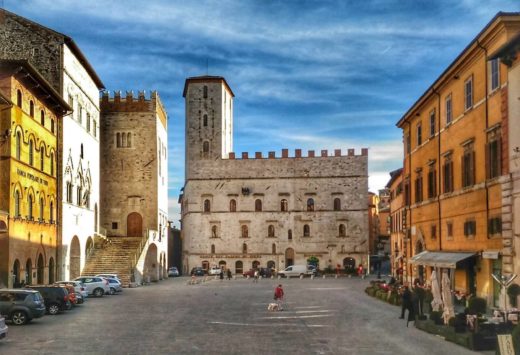
Not far from the Torre del Moro is Piazza del Popolo, a square that has been important since ancient times because of the city market held there and because it was the fulcrum of the social, civil and even the political life of the city. The Palazzo del Popolo still stands in this square and was built in the 13th century, probably commissioned by the Neri della Greca family, refashioning a previous papal building. The building had the very important role of being the seat of the Capitano del Popolo, a leading figure in the medieval period who represented the Populace and who played a fundamental political role alongside Consuls and ‘Podestà’ (a magistrate or high official).

For some time, the building was also used as the seat of the Podestà and in the 16th century, even a theatre was set up on the first floor of the building.

Architecturally, its forms are elegant and refined, with round arches framing the elegant triple-lancet windows of the first floor which guaranteed lighting for the building’s main hall.

The current appearance of the building is due to restoration and redevelopment work carried out in the 19th century by Paolo Zampi. Then, in 1989, three large conference rooms were built inside the Palazzo: the Sala dei Quattrocento, the Sala Expo and the Sala Etrusca, which host important city events. As the building is now the city’s Congress Centre, it is not accessible to tourists.

Scopri cosa fare ad Orvieto, la città dalle mille sorprese.

Se pensavate che la città avesse già mostrato il meglio di sé con i gioielli architettonici, artistici ed archeologici della superficie, rimarrete delusi. Oppure estasiati. Infatti, Orvieto si sviluppa per un’intera parte al di sotto del piano di calpestio. Una vera e propria città, sotto la città. Quella che viene chiamata da tutti “Orvieto Sotterranea” o “Orvieto Underground” è uno straordinario mondo. Articolato e suggestivo tanto e forse più di quello ammirabile alla luce del sole. Dove perdervi nel labirinto di oltre 1200 cavità tra tunnel, canali, antiche cave, cisterne e pozzi di epoche diverse.

Nelle viscere della terra troverete il Museo delle Maioliche Medievali e Rinascimentali Orvietane. Soltanto una delle collezioni cittadine che conservano gli innumerevoli resti di una civiltà ricca di storia e cultura. Per avere una visione più ampia dovrete visitare allora anche il Museo Archeologico Nazionale ed il Museo Civico Faina, entrambi in Piazza del Duomo.

E se i musei non dovessero essere di vostro gradimento, Orvieto avrà ancora di che stupirvi. Grazie alla ricchezza del territorio circostante ai piedi della Rupe. Gli amanti del trekking e della natura partendo da Piazza Cahen in città potranno percorrere, per circa cinque chilometri, l’intero perimetro dello zoccolo tufaceo su cui sorge la città. Il cosiddetto Anello della Rupe. Che alterna a scenari paesaggistici da favola, suggestive tracce di civiltà antiche. Le necropoli etrusche del Crocifisso del Tufo e della Cannicella. Nonché il famoso Fanum Voltumnae. Queste meraviglie del passato, a così poca distanza dal centro storico, hanno ancora molto da raccontare a turisti e visitatori curiosi.

A questo punto sarete forse stanchi ed appagati. Per cui mettendovi a bordo della vostra auto potrete percorrere alcuni chilometri in direzione sud e raggiungere un altro luogo degno di nota, la Badia (Abbazia dei Santi Severo e Martirio). Un’imponente struttura dell’XI secolo. Oggi, sebbene sia divenuta una moderna struttura ricettiva, conserva ancora tutta la magia della devozione medievale. La torre dodecagonale ed altri ambienti visitabili vi faranno dimenticare il tempo e lo spazio.

Che aspettate?

do you want to know more?

LA STORIA DI ORVIETO DALLE ORIGINI AL MEDIOEVO

La storia delle origini di Orvieto ha una memoria antica, risalente al IX secolo a.C., quando nella grande rupe di tufo comparvero le tracce di una prima comunità villanoviana. Erano gli antenati degli Etruschi, i quali divennero gli indiscussi padroni dell’Italia Centrale per circa sei secoli. La città di Velza (Volsinii per i Romani, l’attuale Orvieto appunto) era sede della lega delle dodici città principali. Ancora prima del grandioso Impero Romano, che dominò il Mediterraneo, Orvieto era culla di cultura e civiltà.

Del prospero periodo etrusco la città conserva ancor oggi tantissime vestigia che ne testimoniano il glorioso passato: le Necropoli del Crocifisso del Tufo e di Cannicella, il Tempio del Belvedere, le numerose ceramiche ed oggetti appartenenti a corredi funebri conservati nei musei cittadini. Infine, il recentissimo sito archeologico di Campo della Fiera, che molti studiosi identificano con il famoso Fanum Voltumnae, ovvero la sede della lega delle città Etrusche. Il luogo in cui, secondo gli scrittori antichi, periodicamente si riuniva il Concilio dei capi etruschi per deliberare su affari di politica interna ed estera ed eleggere il comandante della lega. Fin dalle origini, Velza, e dunque Orvieto dovette ricoprire un ruolo importante.

A causa di dissidi interni, dovuti soprattutto alla rivolta degli schiavi, alcune famiglie nobili etrusche si rivolsero ai Romani per ottenere aiuto. Un manipolo di soldati guidati dal generale Quinto Fabio Massimo, venne inviato immediatamente ma la rivolta fu tanto efferata che lo stesso generale cadde vittima dei nemici, per cui la repressione da parte dei Romani fu ancora più dura. Nel 264 a.C. la grandiosa città di Velza venne completamente rasa al suolo ed i suoi abitanti costretti a trasferirsi nei pressi di Bolsena, la Volsinii Novi dei Romani. Iniziò così un periodo di decadenza e di quasi totale abbandono per la rupe di tufo. Gli affezionati abitanti vi poterono fare ritorno soltanto a partire dal III secolo d.C., in piena crisi dell’Impero Romano.

Con le invasioni barbariche di Goti e Longobardi iniziò infatti un lento processo di ripopolamento della città, a partire dal versante occidentale della Rupe, che portò alla nascita di quella che sarebbe diventata la Urbs Vetus del Medioevo.

LA STORIA DI ORVIETO TRA L’ETA’ COMUNALE ED IL RINASCIMENTO

L’anno 1137 sancì la nascita di Orvieto come Libero Comune anche se, solo pochi anni dopo, nel 1157, una delegazione papale ne formalizzò l’investitura, rimettendo il controllo della città nelle mani del Pontefice. Il giogo papale, affidato a personaggi diversi tra cui spiccano nomi quali Pietro Parenzo, trasformò Orvieto in una roccaforte guelfa in costante lotta con le fazioni ghibelline della città. Le due nobili famiglie locali che si contesero il potere per decenni furono i Monaldeschi, guelfi e i Filippeschi, ghibellini. Nonostante le tensioni interne, la protezione del Papato garantì alla città nuovi stimoli culturali e sociali che si trasformarono in un periodo di grande sviluppo e prosperità per Orvieto.

Durante il XIII secolo si consolidò la struttura politica della città, con l’istituzione delle più importanti magistrature comunali. Vennero istituiti il Consiglio dei Quattrocento (1215), la figura del Capitano del Popolo (1250) e la Magistratura dei Sette (1292). Contemporaneamente la città cambiò volto, con la realizzazione di importanti opere architettoniche ed urbanistiche, che culminarono con l’apertura del cantiere del Duomo nel 1290. In questi anni la struttura della città rifletteva, a livello urbanistico, l’eccellente organizzazione istituzionale. I quattro quartieri della città: Serancia, San Giovenale, Postierla e Santa Pace divennero sede dei poteri riconosciuti dal Comune con una distribuzione equa. Il Duomo divenne simbolo del potere religioso, il Palazzo del Popolo divenne espressione della sovranità popolare, il Palazzo Comunale e la attuale Piazza della Repubblica divennero sede del potere politico.

Il fiorente periodo si concluse, purtroppo, nel 1348. A causa della grave epidemia di peste che devastò l’Italia e delle continue lotte interne delle famiglie nobili locali (quattro rami della stessa famiglia dei Monaldeschi erano in conflitto tra loro), la città cadde nuovamente ed in maniera definitiva sotto il controllo papale. Nel 1354, il cardinale Egidio Albornoz guidò le truppe del pontefice fino alla città e cominciò i lavori di costruzione della Fortezza Albornoz. La città di Orvieto divenne, così, un vero e proprio rifugio dei papi dopo l’invasione di Roma da parte dei Lanzichenechi. Chiara testimonianza di questa presenza sono ancora oggi le statue di Bonifacio VIII presso le Porte cittadine Maggiore e Soliana e la costruzione dei due famosissimi pozzi, della Cava e di S. Patrizio. Commissionati nel 1527 da papa Clemente VII, per assicurare l’approvvigionamento idrico della Rocca in caso di assedio.

Tuttavia, così come già era accaduto nel XIII secolo, anche nel XVI la presenza papale fu di stimolo per la città, favorendone la prosperità architettonica e culturale. Fu proprio in questo periodo che operarono ad Orvieto personaggi come Antonio da Sangallo, Ippolito Scalza, Francesco Mochi e gli attori delle Accademie dei Confusi e dei Misti, che portarono anche alla nascita del teatro cittadino.

LA STORIA DI ORVIETO NELL’ETÀ’ MODERNA

Nel 1798 l’avvento delle truppe francesi portò all’insurrezione della popolazione orvietana. Insurrezione che venne duramente e facilmente repressa dalle truppe napoleoniche con la successiva erezione del monumento in Piazza Maggiore, noto come Albero della Libertà.

Un nuovo periodo di prosperità per la città si ebbe soltanto alcuni decenni più tardi, nel 1860. Con l’annessione al nascente Stato italiano, grazie all’eroica azione dell’orvietano Filippo Antonio Gualterio. Egli riuscì a mettere insieme un esercito di volontari, i cosiddetti “Cacciatori del Tevere”, i quali costrinsero alla resa le truppe pontificie.

Da questo momento in poi Orvieto conobbe un’ennesima fase di prosperità e sviluppo. In questi anni infatti venne costruita la prima funicolare ad acqua per volere del sindaco Bracci. Fu portata la corrente elettrica grazie alla costruzione del moderno impianto della centrale realizzato dall’ingegner Netti. Venne eretto il primo vero teatro cittadino su progetto dell’architetto Vespignani e si cominciarono i lavori per la “Fondazione del Museo Faina”. L’attività di privati, unita all’intervento del Parlamento nazionale ed europeo, ha portato a partire dal XX secolo all’attuazione del “Progetto Orvieto”. Un ambizioso programma di recupero e valorizzazione della storia e dei monumenti cittadini allo scopo di riqualificare la città, che è divenuta oggi un importante polo di attrazione turistica nazionale ed internazionale.


Come ogni città umbra che si rispetti, Orvieto vanta una fiorente attività di artigianato che spazia in vari settori: dal ferro battuto ai gioielli, fino al cuoio ed alla terracotta. Accanto a queste attività generiche, si trovano alcune eccellenze locali che vantano un’origine antica ed una maestria consolidata da anni di esperienza e tradizione.

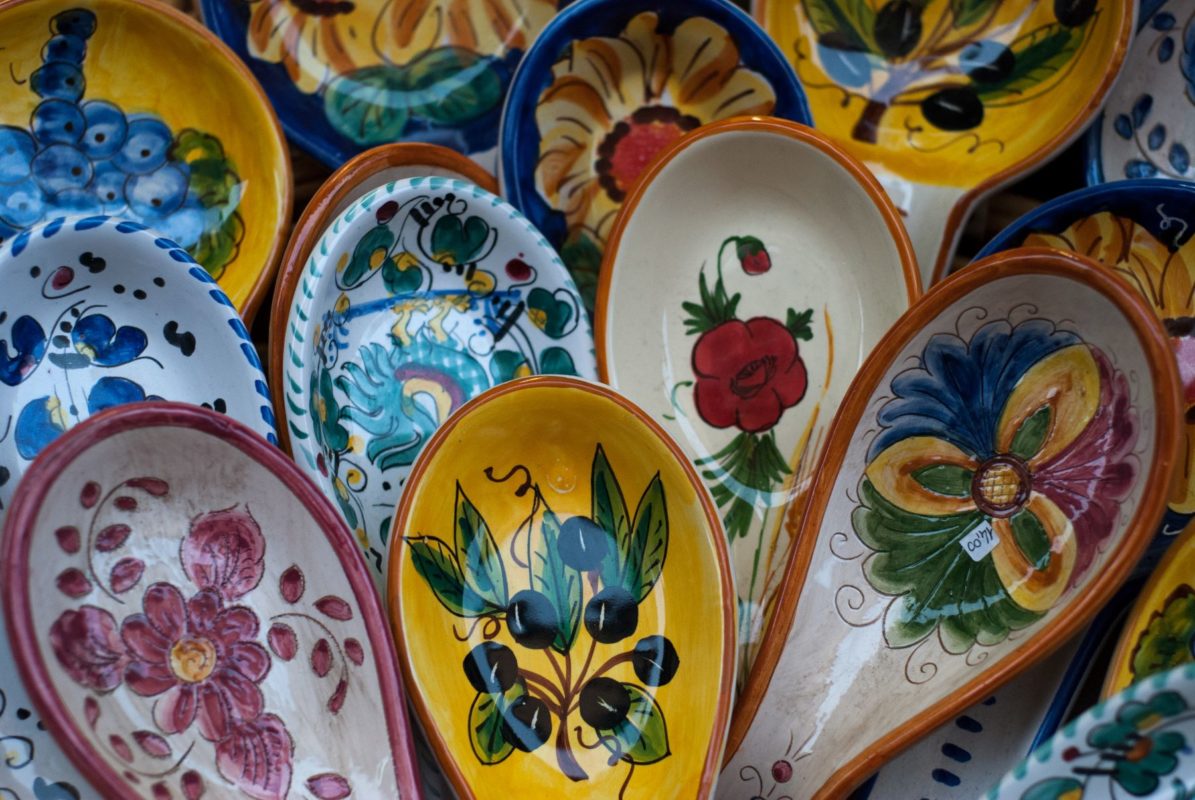
È il caso per esempio della ceramica, la cui lavorazione in città risale alle civiltà villanoviane, precedenti persino agli etruschi. I numerosissimi resti di ceramica raccolti nei siti archeologici antichi e le documentazioni storiche che ricordano gli artisti della ceramica tra le corporazioni cittadine, testimoniano l’importanza che tale prodotto rivestì per oltre tre millenni di storia. Ancor oggi le ceramiche orvietane si distinguono per l’eccellenza della fattura e l’innovazione decorativa, realizzata con smalto e pittura sotto vetrina. Alle ceramiche di tradizione antichissima, ad Orvieto si affiancano altre due attività di artigianato più recenti ma non meno degne di nota: la produzione del merletto d’Irlanda e la lavorazione del legno.

Nel 1907 per volere dei conti Eugenio e Claudio Faina, venne istituita una società di patronato chiamata Ars Wetana. Aveva l’obiettivo di fornire alle donne un lavoro a domicilio che garantisse un minimo guadagno senza eccessiva fatica. La figlia di Claudio, Maria Vittoria, fu la prima ad ottenere un piccolo fondo e, insieme ad altre donne, diede vita a quella che poi è divenuta una produzione iconica della città: i merletti dalle decorazioni originalissime che riproducono animali, fiori, piante e figure ispirate ai bassorilievi del Duomo orvietano.

La lavorazione del legno costituisce una produzione d’eccellenza in numerose città umbre. Ad Orvieto, tuttavia, la lunga tradizione riconosce un importante esponente di quest’arte nel personaggio di Gualverio Michelangeli (1929-1986). A lui è stato persino dedicato un Vicolo cittadino, nel quale ancor oggi è possibile ammirare i capolavori del maestro. Dall’oggettistica fino al mobilio per le case, la produzione orvietana di manufatti in legno sarà capace di stupirvi.

GASTRONOMIA  E PRODOTTI TIPICI DI ORVIETO

Sebbene sia isolata sulla sommità della sua rupe, idealmente separata dalla valle sottostante e dal territorio attiguo, la città non viene meno alla peculiare ricchezza della cucina umbra. Ne conserva tutti i pregi e le caratteristiche. Gli ingredienti della terra, combinati in maniera semplice, rendono la cucina orvietana capace di solleticare le papille gustative in un’esaltazione dei sapori. Prodotti sani e genuini di una terra pura ed incontaminata saranno i protagonisti dei vostri pasti sulle tavole locali.

La selvaggina, grazie alla ricchezza della vegetazione circostante, costituisce il piatto principale: quaglie, tortore, piccioni e palombe vengono cucinati nei modi più diversi e con numerose varianti di una stessa ricetta. Questo per regalarvi un’emozione sempre nuova ed irripetibile.

Accanto ai prodotti del territorio, scoprirete la maestria dei cuochi locali. Non fatevi ingannare dai nomi bizzarri e fuorvianti ed affrettatevi ad assaggiare tutto. Gli umbricelli (pasta fresca fatta a mano), le lumachelle (dolcetti preparati con acqua, farina e formaggio), le cicale (frittelle con i fiori di zucca) e ovviamente non dimenticate i tipici ciambelloni all’anice e le frittelle di San Giuseppe (che potrete trovare solo nel giorno dedicato al santo, il 19 Marzo). Un altro piatto tipico, che non deluderà di certo i palati più esigenti, è la “gallina ubriaca“. Un gustosissimo pollo cotto nell’inconfondibile vino di Orvieto, e non dimenticate di richiedere la specialissima Pera di Monteleone d’ Orvieto. Chiamata anche “bistecca del villano” per la consistenza che la caratterizza e per le sue ottime proprietà nutritive. Un piatto unico che non troverete da nessun’altra parte!

Buon appetito!

OLIO E VINO

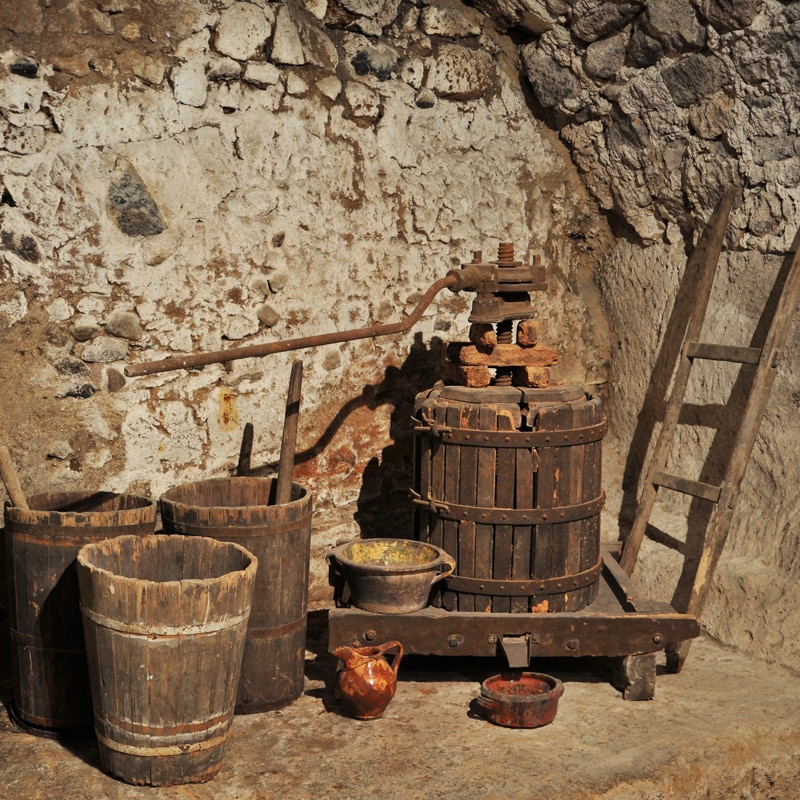
Per la felice posizione e la fertilità del territorio che la circonda, Orvieto vanta dei prodotti tipici che sono un’eccellenza non solo all’interno del panorama regionale, ma anche nazionale. Fin dai tempi degli Etruschi la regione era nota per la qualità del vino prodotto. La tradizione si è conservata e modernizzata, guadagnandosi il riconoscimento del marchio DOC. Le varianti che potrete degustare sono l’Orvieto Classico, il Classico Superiore ed il Rosso Orvietano. Sebbene la produzione maggiore sia quella di vino bianco, se ne trovano varianti anche di rosso e rosato. Alcune cantine locali propongono visite guidate delle vigne e degustazione dei prodotti per buona parte dell’anno.
Dal 1997, con l’istituzione del marchio DOP (Denominazione di Origine Protetta) per l’olio extra vergine d’oliva, l’eccellenza di produzione orvietana è stata inserita tra le cinque sottozone che si differenziano per condizioni pedoclimatiche e tecniche agronomiche di lavorazione: Colli di Assisi–Spoleto, Colli Martani, Colli Amerini, Colli del Trasimeno e Colli Orvietani. Tutti gli oli prodotti e riconosciuti nelle sottodenominazioni, sono miscele di diverse varietà di olive che conferiscono peculiarità ed unicità alle singole produzioni. L’olio extra vergine d’oliva realizzato ad Orvieto rientra nella sottozona dei “Colli Orvietani“, da cui prende il nome, ed è ottenuto da una miscela di Moraiolo (15%), Frantoio (30%), Leccino (60%) ed altre varietà fino al 20%.

Orvieto è inoltre sede del circuito nazionale “Città Slow”, capofila del progetto di conservazione e valorizzazione della genuina cucina locale. Oltre all’olio e al vino, sono da ricordare lo Svinnere, un liquore realizzato con visciole selvatiche e l’Orvietan, una bevanda dolce che, secondo la tradizione, gode di proprietà curative. Fu inventata dall’orvietano Girolamo Ferrante e divenuta famosa per la guarigione di Luigi XIV, re di Francia.
Scopri tutti gli eventi di Orvieto.

Una città ricca di storia, tradizione e meraviglie architettoniche senza eguali, capace di attirare turisti da tutto il mondo per tutto il corso dell’anno, non poteva certo non proporre a cittadini e visitatori una lunga serie di eventi di intrattenimento ed arricchimento culturale. Dalla devozione religiosa alla passione per la musica, per il buon cibo e per lo sport, Orvieto propone continuamente iniziative che vi lasceranno a bocca aperta.
Nel periodo di maggio-giugno si celebra la famosissima ricorrenza del Corpus Domini, con la suggestiva processione della reliquia del Corporale legato al “Miracolo del Sangue” di Bolsena ed il corteo storico che la accompagna, con la riproduzione di costumi e personaggi del periodo medievale. Più o meno nello stesso periodo, il giorno di Pentecoste, la piazza del Duomo si riempie di devoti per la festa della Palombella: una colomba viene fatta volare da via Maitani fino ad un baldacchino appositamente preparato di fronte al Duomo, per ricordare la discesa dello Spirito Santo sugli Apostoli. Nello stesso giorno la città intera colora i suoi balconi e le sue terrazze con i fiori tipici dei quattro quartieri cittadini, in occasione della manifestazione Orvieto in fiore. A Ferragosto la popolazione celebra, in maniera solenne, la patrona della città con la festa di Santa Maria Assunta, a Natale non perdete le bellissime rappresentazioni della natività, inserite nella singolare ambientazione del Pozzo della Cava, per l’evento il Presepe nel Pozzo.
Se insieme allo spirito volete nutrire anche il corpo allora dovete partecipare agli eventi gastronomici di Orvieto con Gusto (ottobre), ottima occasione per gustare tutti i piatti e prodotti tipici cittadini ed I Gelati d’Italia (aprile-maggio), un vero e proprio Campionato del gelato con un gusto rappresentante di ogni regione. Ad agosto, l’evento Orvieto Folk Festival spazia sugli interessi più diversi: agli eventi musicali si uniscono infatti stand enogastronomici e di tradizione locale che vi apriranno una finestra sulla realtà orvietana. E sicuramente da non perdere sono gli altri due eventi musicali di Orvieto Musica e Cultura, dove alle melodie si affiancano il teatro e le più diverse forme d’arte, ed il famosissimo Umbria Jazz Winter, che da oltre vent’anni anima il Capodanno Orvietano attirando amanti del jazz, artisti e visitatori da ogni angolo del pianeta.

Se ancora non fosse sufficiente, per chi ama lo sport, le proposte non sono finite: il sabato prima della festa del Corpus Domini, dieci atleti della città percorrono un circuito ad anello per circa un chilometro intorno al Duomo per la Staffetta dei Quartieri, un tempo chiamata Fiaccolata della Verità. Mentre per chi preferisce i motori, a maggio durante la Cronoscalata della Castellana, macchine d’epoca e moderne si sfidano in velocità su un percorso di circa sette chilometri sulla tortuosa strada che da Ciconia arriva ad Orvieto, passando per il Monte Peglia. Ci sarà da divertirsi!

Successfully added to favourites.

Please provide us with more info to help us create your itinerary together: your preferred dates, number of people and your mood.